Madeleine Floors

Categories
Stone Polymer Composite Flooring

Top 7 SPC Flooring Brands in India in 2025

Top 7 SPC Flooring Brands in India in 2025

spc flooring brands

Introduction

In the evolving world of interior design, flooring is no longer just a functional element—it’s the foundation of style, comfort, and durability. Among the newest and most popular innovations in flooring, SPC (Stone Polymer Composite) has rapidly taken over Indian homes and commercial spaces. Offering a perfect blend of aesthetics, durability, and ease of maintenance, SPC flooring is now a favorite across residential, retail, office, and hospitality settings.

Thanks to its waterproof nature, high resistance to dents and scratches, and quick installation, SPC flooring is emerging as the go-to alternative to traditional tiles, marble, or wood floors.

But with the growing popularity of SPC, dozens of brands have entered the market. Which one should you trust with your next project?

We’ve researched, compared, and curated the Top 7 SPC Flooring Brands in India (2025) to help you make a smart, stylish, and value-driven choice.

Why Choose SPC Flooring for Your Home or Office?

Before diving into brand comparisons, it’s worth revisiting why SPC flooring is revolutionizing modern interiors across India:

Waterproof & Moisture-Resistant

Perfect for Indian kitchens, bathrooms, and monsoon-heavy climates. No more swelling, warping, or water damage.

Scratch & Dent Resistant

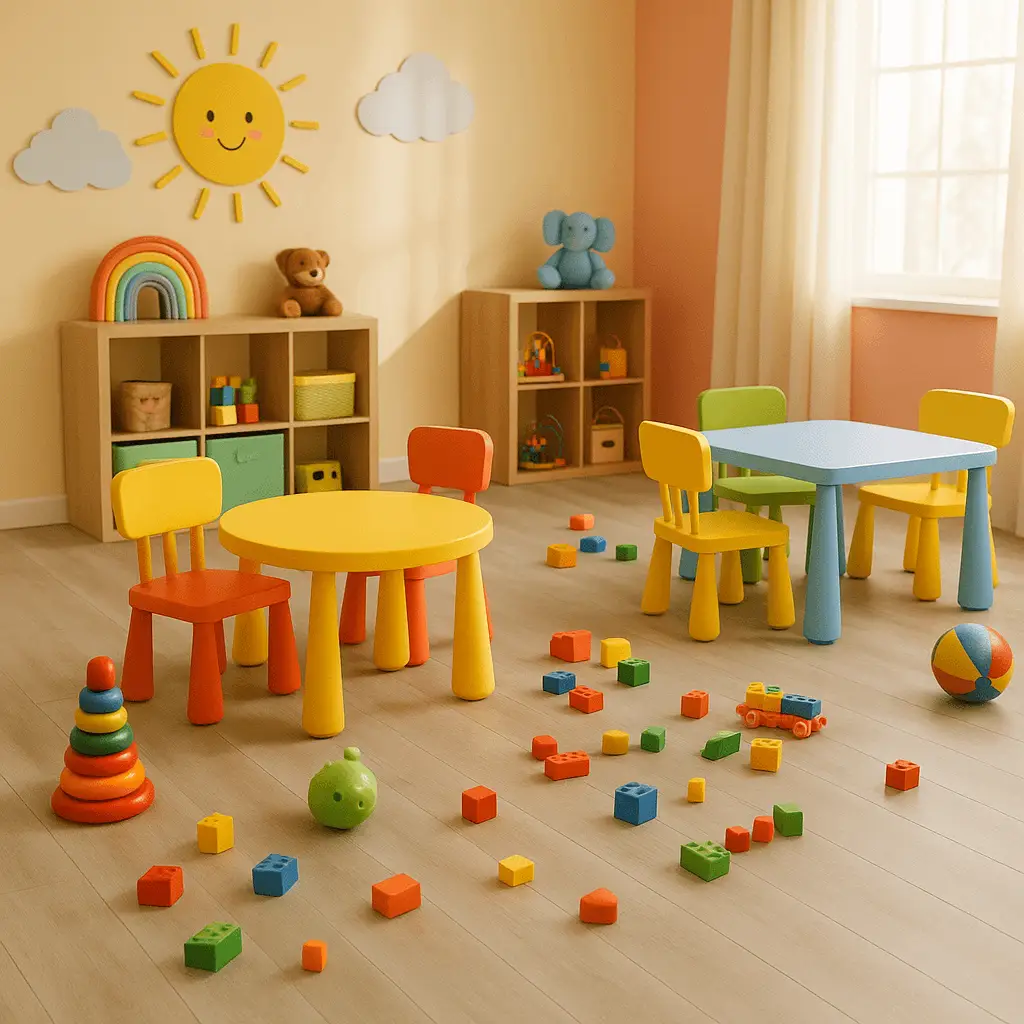
Ideal for homes with children, pets, or high foot traffic. The wear layer protects the floor for years.

Click Lock Installation

SPC floors can be installed without glue or nails—quick, clean, and renter-friendly.

Stylish Design Options

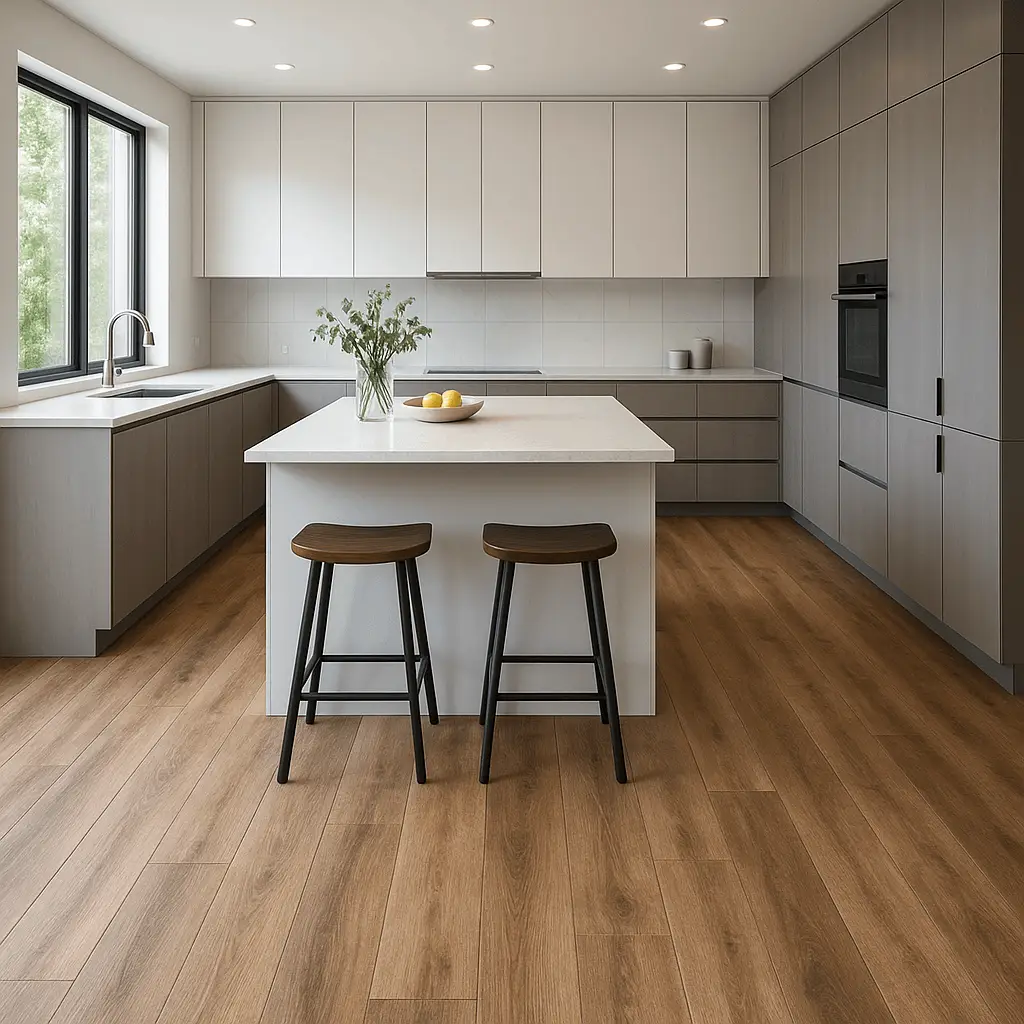
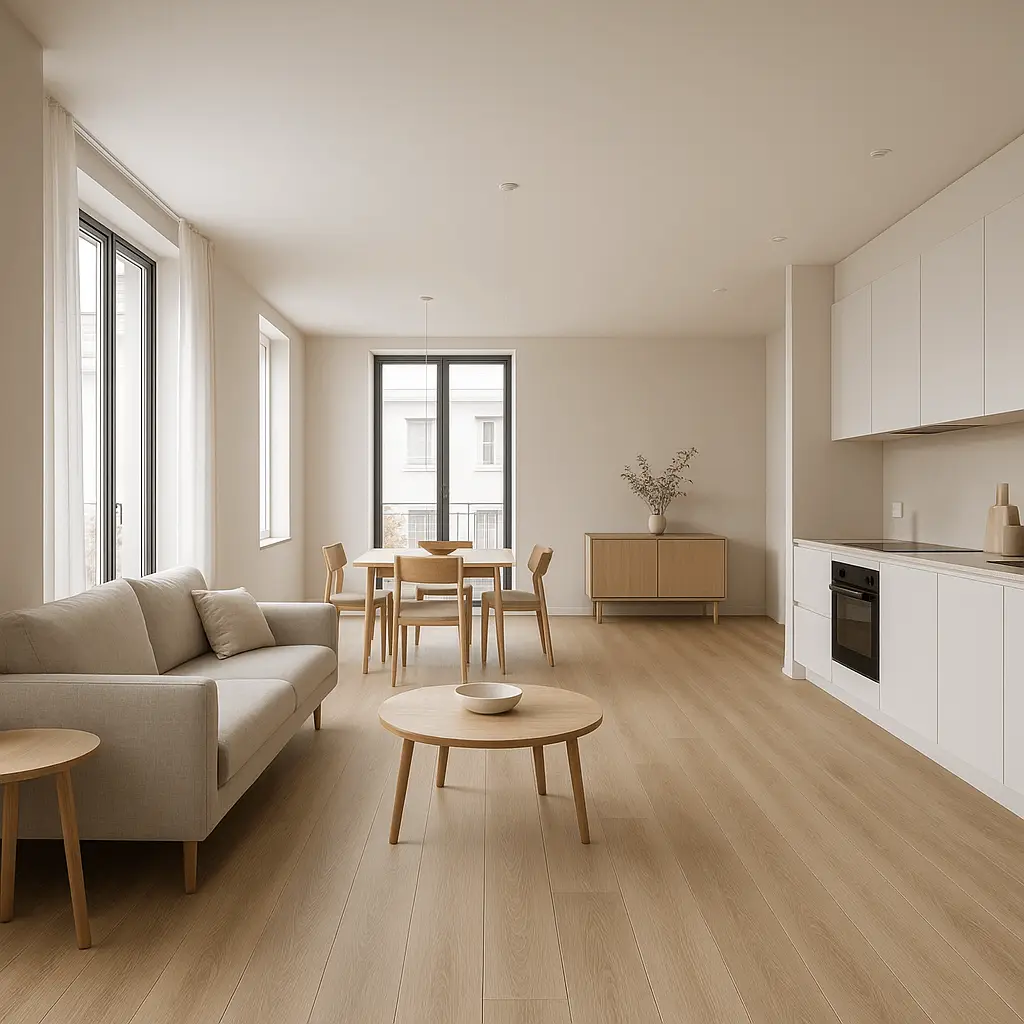
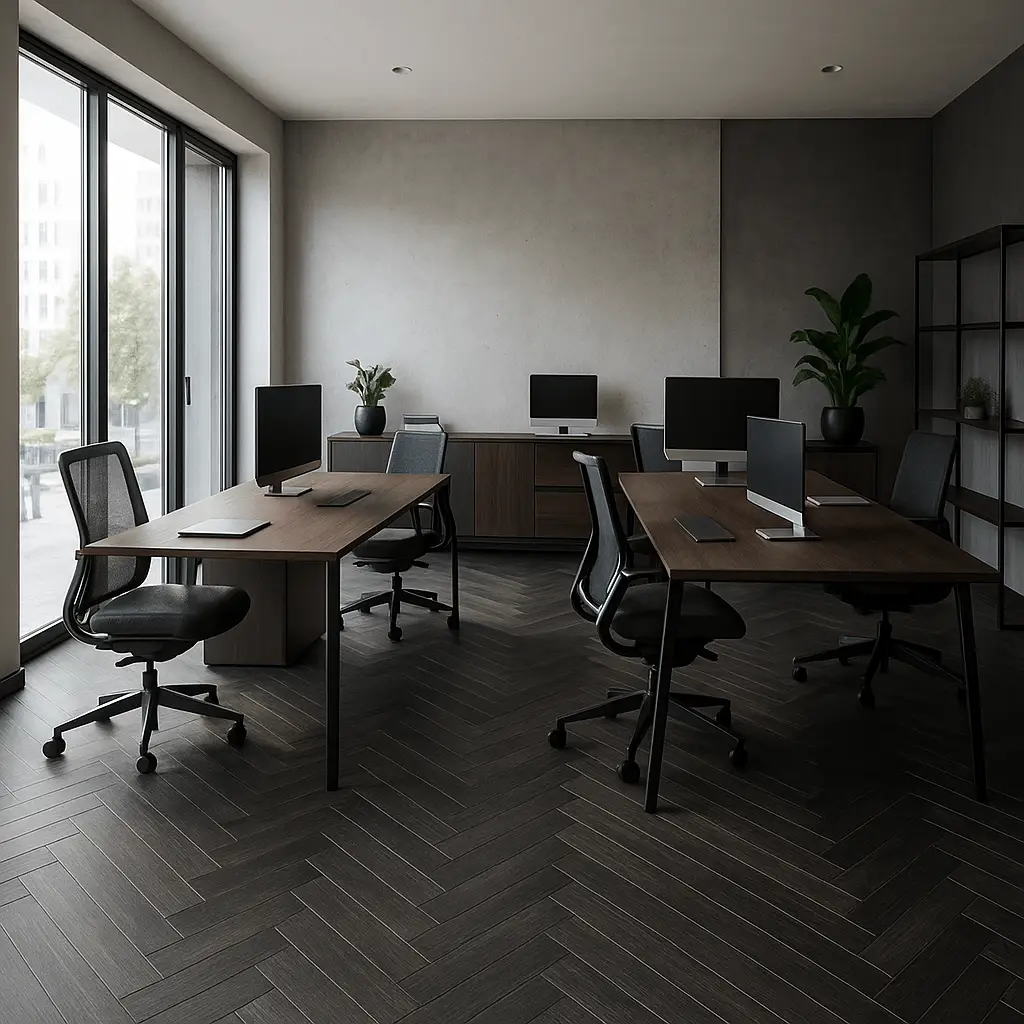
From warm wood grains and textured herringbones to chic marble and concrete finishes, SPC caters to every aesthetic.

Eco-Friendly & Safe

Many SPC flooring brands offer low-VOC, recyclable options—safer for you and the planet.

Our Evaluation Criteria

To curate this list, we analyzed SPC flooring brands based on:

  • Product Quality (Certifications, layers, resistance)
  • Design Variety (Wood, stone, matte, gloss, herringbone)
  • Innovation & Technology
  • Installation Support
  • Value for Money
  • Customer Service & Warranty
  • Brand Reputation & Dealer Network

We also considered real-world reviews, professional feedback from architects and interior designers, and product longevity in varying Indian climates.

1. Madeleine Floors – Best SPC Flooring Brand in India

Website: www.madeleinefloors.com
Location: Rajkot, Gujarat | PAN India Delivery

Madeleine Floors leads the SPC flooring market in India with its unmatched collection of luxury SPC wooden flooring, 7mm tiles, herringbone patterns, and click-lock systems. The brand is known for European-inspired aesthetics, attention to detail, and robust customer support.

Why Choose Madeleine Floors?

  • Premium 7mm and 4mm SPC planks
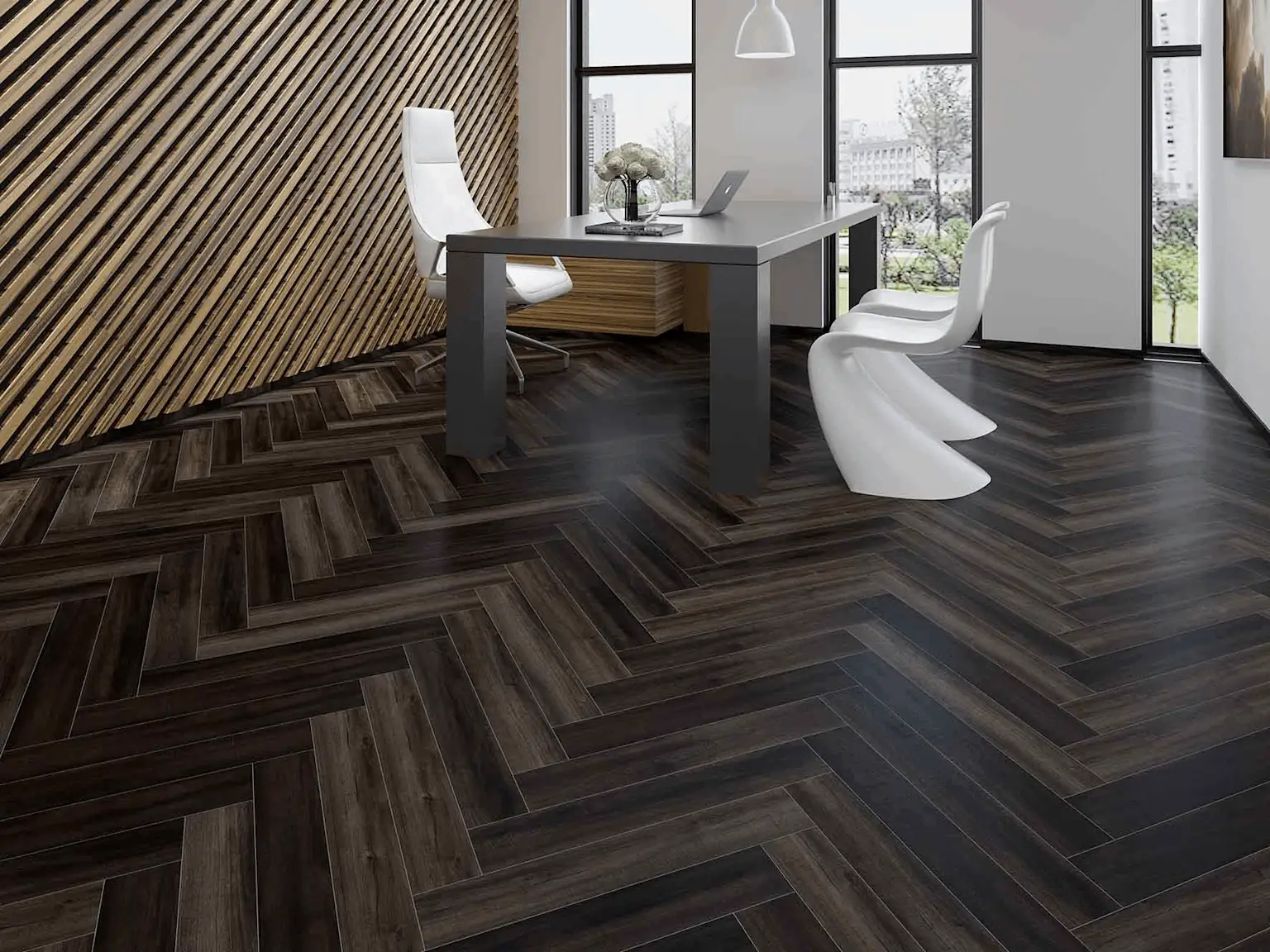
  • Herringbone & Chevron patterns available
  • Ideal for Indian homes, villas, offices, and retail stores
  • Termite-resistant, waterproof, and temperature-resistant
  • Trusted by architects and interior designers
  • End-to-end services: consultation, delivery, and installation

Bestsellers:

  • White Limba SPC Wood
  • Tres Naturale SPC Herringbone
  • Red Beech Wide Plank

Madeleine Floors is a trendsetter—not just a manufacturer. If you’re looking for the best SPC flooring brand in India, this is your #1 choice.

2. Welspun Flooring

Website: welspunflooring.com
Backed By: The Welspun Group

Welspun is a recognized name in home and industrial infrastructure. Their entry into the SPC flooring space was marked by technological innovation and a health-first approach.

Highlights:

  • “Health Floor” technology with antibacterial protection
  • Wel-Lock installation – unique click system for easy laying
  • Lightweight, grout-free surface with UV resistance
  • Made at a 300-acre facility in Telangana

Welspun is ideal for large-scale institutional or commercial projects like hospitals, offices, and educational spaces.

3. Floormonk

Website: floormonk.com
Base: Ahmedabad, Gujarat

Floormonk is a rising star in the Indian SPC flooring market. Known for realistic wood textures and international-grade EIR technology, their planks closely mimic hardwood at a fraction of the cost.

Highlights:

  • Exported to over 50 countries
  • Completed 100+ commercial projects in India
  • Scratch-resistant coatings for longevity
  • Extensive color and pattern variety

Their SPC designs are well suited for commercial showrooms, luxury boutiques, modern co-living spaces, and home interiors that demand a wooden look without hardwood maintenance.

4. Responsive Industries

Website: responsiveindustries.com

A leading name in vinyl and modular flooring, Responsive Industries brings robust R&D and manufacturing expertise to the SPC segment.

Key Features:

  • Wide distribution and retail reach
  • Durable SPC with digital print overlays
  • ISO, CE, BIS certifications
  • Product lines suited for homes, gyms, offices, clinics

Responsive has made significant investments in automated machinery, ensuring consistency and high output. Their wide portfolio makes them one of the more accessible brands nationwide.

5. Wintel Surfaces LLP

Website: wintelsurfaces.com

Wintel Surfaces is focused on bringing eco-friendly, affordable, and low-maintenance SPC floors to Indian households.

Why Choose Wintel:

  • Made using sustainable materials
  • Water-resistant, termite-proof, and easy to clean
  • Ideal for kitchens, bathrooms, and rentals
  • Strong presence in South India and tier-2 cities

They’ve also made strides in modernizing product visuals—offering grey washed planks, concrete textures, and warm oak designs for compact homes and stylish Airbnb interiors.

6. Stanley SPC Floors

Website: stanleyfloors.in

Stanley is known for its hybrid SPC flooring, offering the best of laminate looks and SPC performance.

Features:

  • Over a decade of experience in flooring manufacturing
  • 1.5 lakh sq. ft. factory with automated lines
  • Click-lock SPC with hardwood visuals
  • Premium range suited for luxury homes and hospitality interiors

They are increasingly preferred by interior designers for projects that blend Indian traditional styles with global minimalist aesthetics.

7. Niveeta Corporation

Website: niveeta.in

Niveeta focuses on modular, colorful, and customizable SPC flooring ideal for commercial and office spaces.

Why Choose:

  • Innovative range for corporate and coworking spaces
  • Modern, vibrant color options
  • Designed for fast-paced installation and low downtime
  • Good for startups, event spaces, and relocatable offices

They also offer flexible order volumes, making them a cost-efficient choice for short-term fit-outs or franchise expansions.

How to Choose the Right SPC Flooring Brand

Here are five key factors to help you make the best decision:

1. Budget vs. Features

Madeleine Floors leads the luxury category, while brands like Wintel offer budget-friendly options. Match features to your project scale.

2. Installation & Service

Look for brands with professional installation teams or easy click-lock systems.

3. Design Preferences

Consider if you want modern textures, wood grains, or designer herringbone patterns.

4. Location & Weather

SPC is great for humid zones—but double-check if the product is also UV-resistant or anti-bacterial for your region’s needs.

5. Warranty & Support

Ensure minimum 10-year warranties and responsive service networks, especially for large areas.

Final Thoughts

Choosing the right SPC flooring brand isn’t just about trends—it’s about durability, comfort, and aesthetic compatibility with your lifestyle. Whether you’re building your dream home or upgrading an office space, SPC flooring delivers a seamless, modern, and long-lasting solution. And if you’re looking for the #1 SPC flooring brand in India, Madeleine Floors stands tall in 2025 with its perfect combination of luxury, resilience, and customer care.


Explore collections at www.madeleinefloors.com or book a design consultation today.

Frequently Asked

Which is the No.1 SPC flooring brand in India?
Madeleine Floors is the top SPC brand due to its 7mm planks, design range, and strong support network.
Yes. SPC is waterproof, more comfortable underfoot, easier to install, and offers better thermal insulation.
Between ₹120–₹300 per sq. ft., depending on brand, design, and thickness.
Madeleine Floors is the best picks for offices, home and retail chains.

Absolutely. 7mm SPC provides better underfoot comfort, sound insulation, and long-term durability—ideal for premium homes and retail stores.

Categories
Stone Polymer Composite Flooring

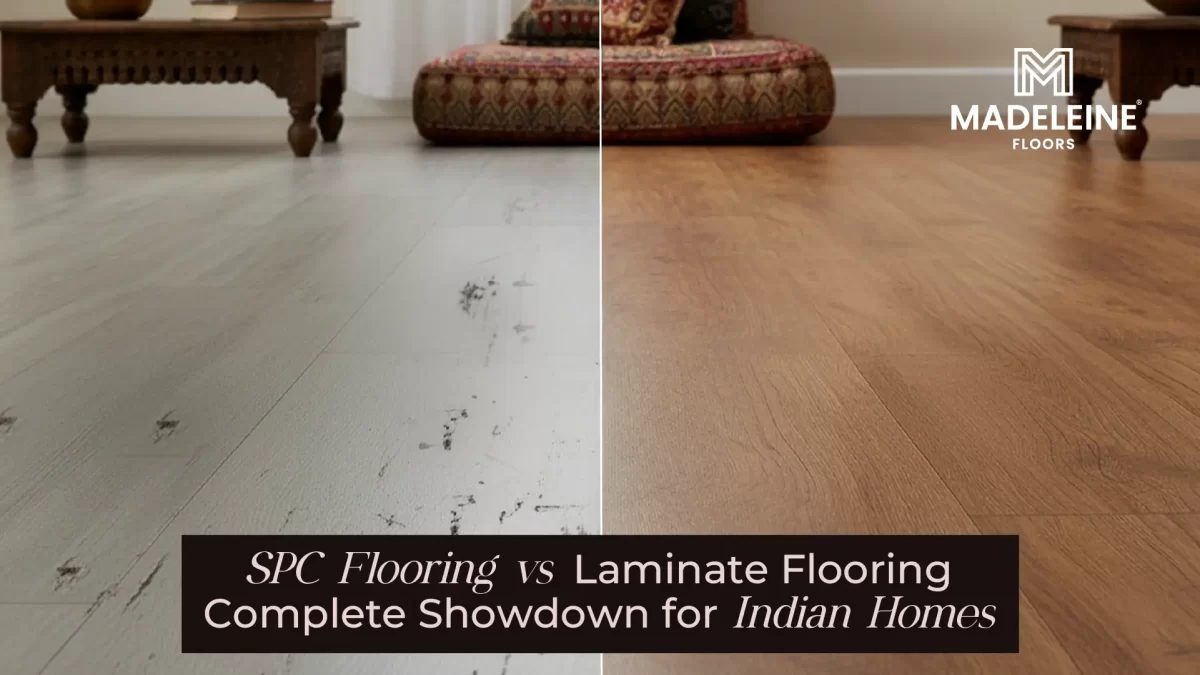
SPC Flooring vs Laminate Flooring Complete Showdown for Indian Homes

SPC Flooring vs Laminate Flooring Complete Showdown for Indian Homes

SPC Flooring vs Laminate Flooring

Choosing the right flooring for your home is one of the most crucial decisions that impacts both aesthetics and functionality, and the debate between SPC flooring vs laminate flooring has become increasingly important for Indian homeowners seeking the best flooring for Indian homes. With India’s diverse climate conditions, monsoon seasons, and varying humidity levels, the choice between waterproof flooring vs laminate can make the difference between years of satisfaction and costly replacements. Madeleine Floors, India’s leading SPC flooring manufacturer, offers premium stone plastic composite flooring solutions including the innovative Herringbone Series and robust Reindeer Series, specifically engineered to address the unique challenges of Indian homes while delivering unmatched durability and style.


The SPC vs laminate comparison India reveals significant differences in water resistance, durability, and long-term performance that every homeowner must understand before making their flooring investment. While laminate flooring disadvantages include susceptibility to water damage, swelling, and limited moisture resistance, SPC flooring benefits India homeowners with 100% waterproof construction, superior scratch resistance, and exceptional stability across temperature variations. This comprehensive comparison will examine every aspect of both flooring types, from construction and installation to maintenance and cost considerations, ensuring you make an informed decision that perfectly suits your home’s needs and India’s challenging environmental conditions.

Understanding SPC Flooring: The Modern Solution for Indian Homes

What Makes SPC Flooring Superior

Stone plastic composite flooring represents a revolutionary advancement in durable flooring options India, combining approximately 60% natural limestone powder with polyvinyl chloride and stabilizers to create an incredibly robust core structure. Madeleine Floors SPC flooring exemplifies this technology through their Prima Herringbone Series featuring 6mm thickness for optimal balance between durability and comfort, and the Reindeer Series offering 7mm thickness – India’s only commercial-grade SPC designed for high-impact environments. The SPC flooring durability stems from this dense stone-plastic composite core that withstands heavy foot traffic, temperature fluctuations, and moisture exposure without compromising structural integrity.


The waterproof SPC flooring construction makes it the ideal choice for moisture resistant flooring India applications, particularly in kitchens, bathrooms, and areas prone to spills or humidity. Unlike traditional flooring materials, SPC flooring maintains dimensional stability even when completely submerged in water, making it perfect for India’s monsoon season challenges. Madeleine Floors has pioneered herringbone SPC flooring patterns in India, offering both Straight Herringbone and Double Herringbone designs that combine old-world charm with cutting-edge waterproof technology. The SPC flooring installation process utilizes advanced click lock SPC flooring system technology that ensures secure connections and allows for floating installation over existing subfloors.

SPC Flooring Construction and Technology

The sophisticated layered construction of SPC flooring begins with a rigid SPC core made from limestone and PVC that provides exceptional strength and waterproof properties essential for flooring for Indian climate conditions. Above this core sits a high-resolution photographic layer that delivers realistic wood, stone, or tile appearances, topped with a premium wear layer that resists scratches, stains, and UV fading. Madeleine Floors incorporates European-inspired designs with enhanced wear layer technology across their Linea Series (5mm), Prima Herringbone Series (6mm), and Reindeer Series (7mm), ensuring superior performance for different application requirements.


The SPC flooring thickness options available from Madeleine Floors cater to varying needs – the 5mm Linea Series for residential applications requiring strength without bulk, the 6mm Prima Herringbone Series for enhanced stability and sound absorption, and the 7mm Reindeer Series designed for commercial spaces and high-traffic areas. Each thickness provides specific advantages: thinner profiles offer easier installation and door clearance compatibility, while thicker options deliver superior sound dampening and enhanced comfort underfoot. The stone composite flooring advantages include resistance to dents, scratches, temperature variations, and complete immunity to moisture-related damage that commonly affects other flooring types.

Laminate Flooring: Traditional Choice with Modern Limitations

Understanding Laminate Flooring Construction

Laminate flooring consists of a high-density fiberboard (HDF) core topped with a photographic layer that mimics natural materials and protected by a transparent wear layer. This multi-layer construction typically includes four distinct layers: a backing layer for stability, the HDF core for structure, a decorative photographic layer for aesthetics, and a protective wear layer to resist surface damage. However, the fundamental weakness lies in the HDF core made from wood fibers, making it inherently susceptible to moisture absorption and subsequent swelling, warping, or delamination.


The laminate flooring lifespan typically ranges from 10-15 years under normal residential use, significantly shorter than SPC flooring’s 25+ year durability. Laminate flooring maintenance requires careful attention to moisture control, avoiding wet mopping, and immediate cleanup of spills to prevent water infiltration that can cause irreparable damage. The laminate flooring scratches become more apparent over time as the wear layer thins, particularly in high-traffic areas where furniture movement and pet activity occur regularly. Despite these limitations, laminate offers better natural sound absorption compared to harder SPC surfaces and provides a softer feel underfoot that some homeowners prefer.
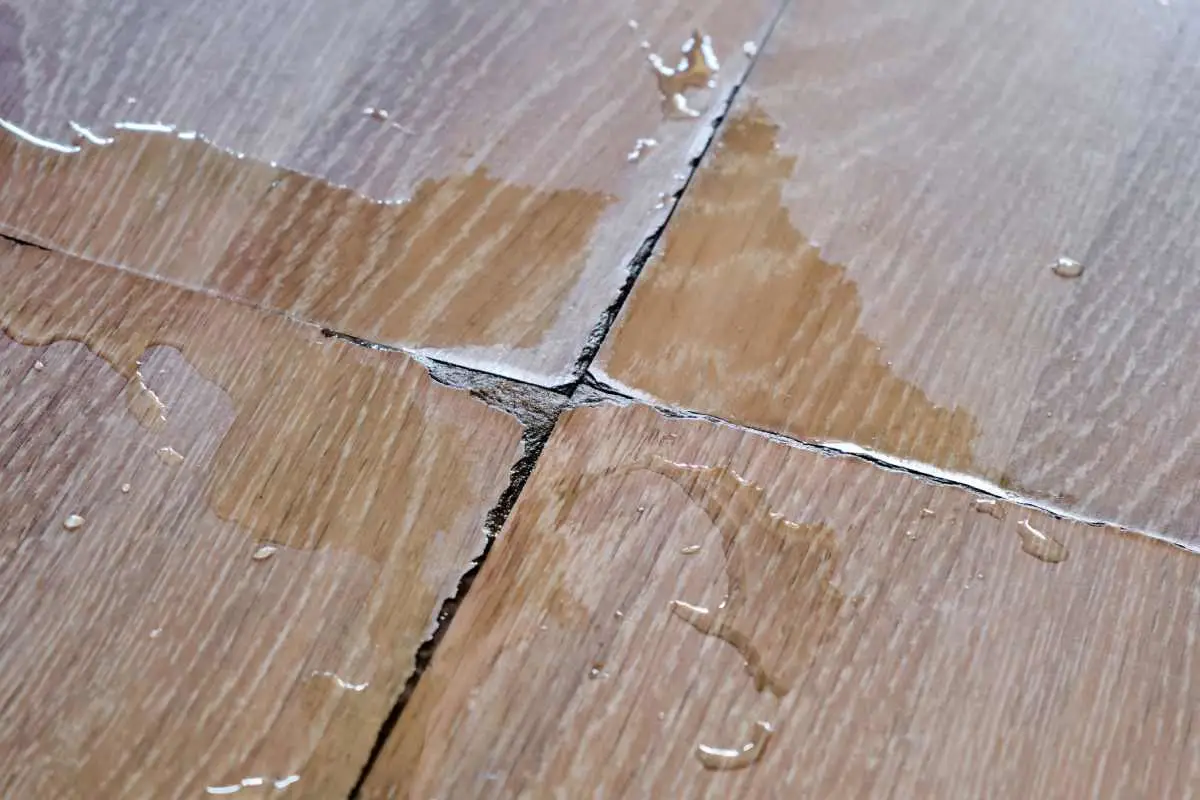
laminate flooring

Laminate Flooring Disadvantages in Indian Conditions

Laminate flooring water damage represents the most significant concern for Indian homes, where monsoon seasons, high humidity, and temperature fluctuations create challenging conditions for wood-based flooring materials. Laminate flooring moisture issues manifest as swelling, buckling, joint separation, and surface bubbling when exposed to excessive moisture or water spills. The laminate flooring swelling problems are particularly pronounced in areas like kitchens, bathrooms, basements, and ground-floor installations where moisture exposure is common.


Laminate flooring disadvantages extend beyond water sensitivity to include limited repair options – damaged planks typically require complete replacement rather than spot repairs, and the entire floor may need refinishing if wear layer damage occurs. The temperature sensitivity of laminate flooring causes expansion and contraction with India’s seasonal temperature variations, potentially leading to gaps, joint failures, or buckling if not properly acclimatized and installed with adequate expansion gaps. Additionally, laminate flooring cannot be refinished or sanded like natural wood, meaning surface damage results in permanent aesthetic impairment that affects the entire room’s appearance.
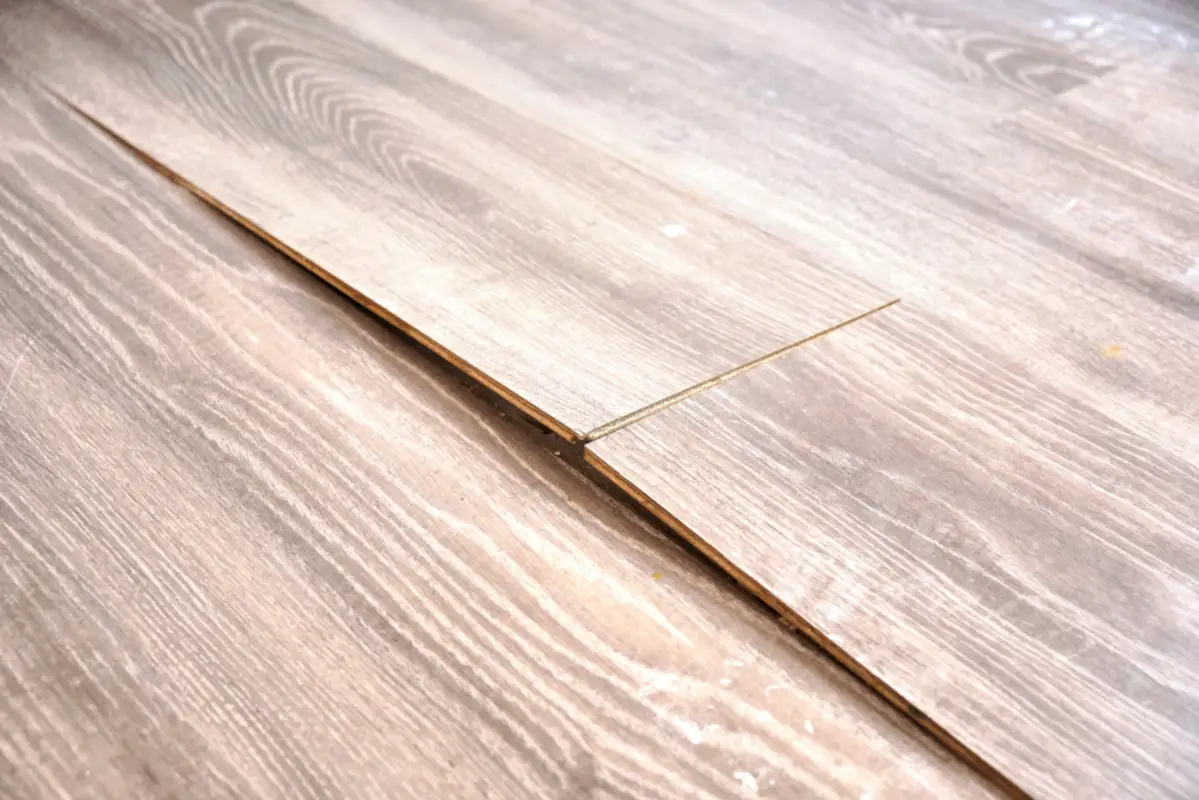
laminate flooring swelling problems

Head-to-Head Comparison: SPC Flooring vs Laminate Flooring

Water Resistance: The Decisive Factor

The most critical difference in the SPC flooring vs laminate flooring comparison lies in water resistance capabilities, where SPC flooring achieves 100% waterproof performance while laminate flooring remains vulnerable to moisture damage. Waterproof flooring vs laminate testing demonstrates that SPC flooring can be completely submerged without structural damage, maintaining dimensional stability and surface integrity even after extended water exposure. Madeleine Floors SPC flooring products undergo rigorous waterproof testing to ensure reliable performance in India’s challenging monsoon conditions and high-humidity environments.


Laminate flooring water damage occurs when moisture penetrates the surface or edges, causing the HDF core to swell and resulting in permanent structural damage including buckling, warping, and joint separation. The waterproof flooring for monsoon India advantages of SPC flooring make it the preferred choice for kitchens, bathrooms, laundry areas, and basements where traditional laminate would fail catastrophically. Moisture resistant flooring India applications benefit significantly from SPC’s waterproof construction, eliminating concerns about spills, pet accidents, humid conditions, or flooding that would destroy laminate flooring.
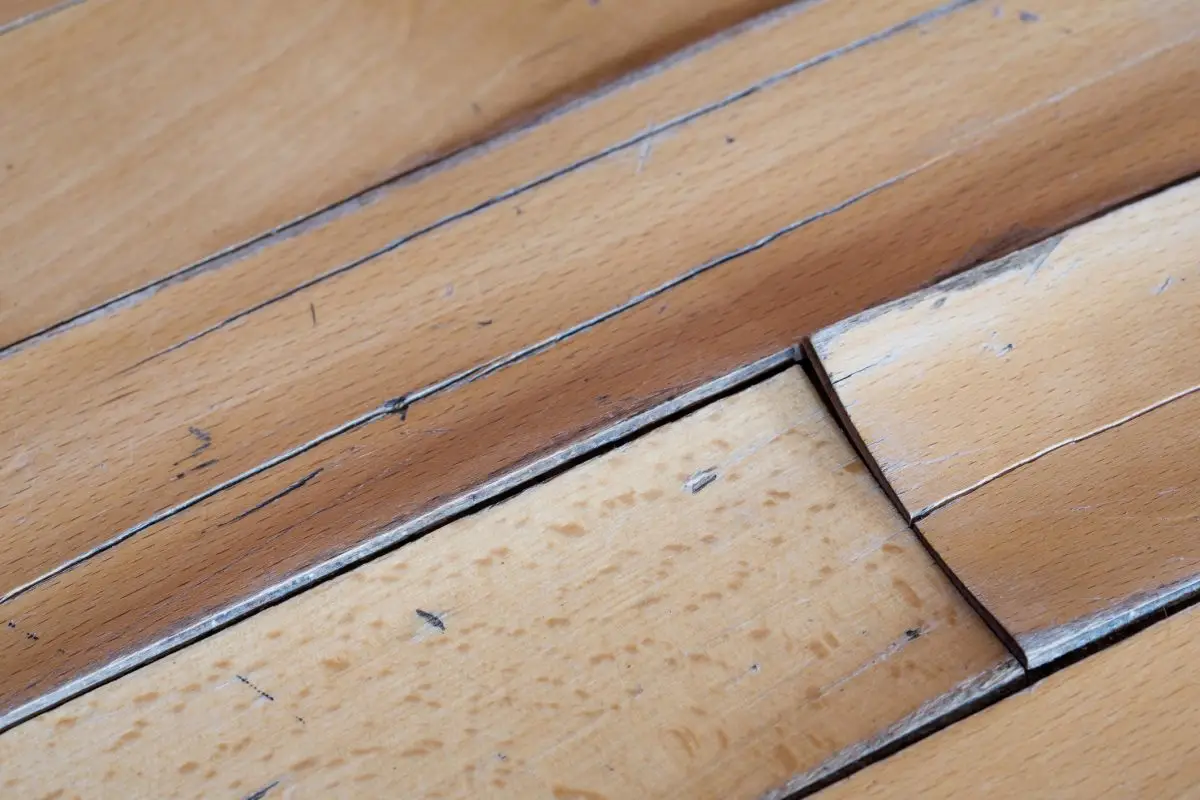
Laminate flooring water damage

Durability and Longevity Analysis

SPC flooring durability significantly exceeds laminate flooring performance across multiple metrics including scratch resistance, dent resistance, and overall lifespan. SPC vs laminate durability testing shows SPC flooring maintaining structural integrity and appearance for 25+ years compared to laminate’s 10-15 year typical lifespan under normal residential use. Madeleine Floors Reindeer Series 7mm SPC flooring demonstrates exceptional durability designed for high-impact commercial environments, sports arenas, and heavy foot traffic applications that would quickly damage laminate flooring.


Scratch resistant SPC flooring India applications benefit from the rigid stone-plastic core that resists indentations and surface damage from furniture movement, pet claws, and daily wear. Laminate flooring scratches become increasingly visible as the protective wear layer thins, particularly problematic in homes with pets or heavy furniture where surface protection is crucial. The durable flooring high traffic areas requirements are better met by SPC flooring’s superior impact resistance and dimensional stability that maintains performance under challenging conditions.

Installation and Maintenance Comparison

Installation Process and Requirements

Both SPC flooring installation and laminate installation utilize similar click-lock systems that allow floating installation over existing subfloors, making both options DIY-friendly for homeowners. However, SPC flooring installation offers distinct advantages including better subfloor irregularity tolerance due to the rigid core construction that bridges minor imperfections without telegraphing through the surface. Madeleine Floors click lock SPC flooring system provides secure connections that resist separation under temperature changes and structural movement.


SPC flooring installation cost India is comparable to laminate installation, but SPC’s superior stability reduces the need for extensive subfloor preparation that laminate often requires. The installation process for both flooring types involves similar tools and techniques, but SPC flooring’s dimensional stability means fewer installation failures due to moisture-related expansion during or after installation. Professional installation is recommended for both flooring types in challenging conditions, though SPC’s forgiving nature makes successful DIY installation more achievable.

Long-term Maintenance Requirements

SPC flooring maintenance is significantly easier than laminate flooring maintenance, primarily due to SPC’s waterproof construction that allows wet mopping and standard cleaning products without risk of damage. Laminate flooring maintenance requires careful moisture control, specific cleaning products, and immediate attention to spills to prevent water infiltration and subsequent damage. Waterproof SPC flooring can be cleaned with standard household cleaners, steam mops, and even power washing in extreme cases without affecting performance.


Daily maintenance of SPC flooring involves simple sweeping and damp mopping, while laminate flooring requires dry cleaning methods and moisture-controlled cleaning to prevent water damage. Long-term maintenance costs favor SPC flooring due to its resistance to common damage sources including water spills, pet accidents, and humidity exposure that frequently require laminate flooring repair or replacement. SPC flooring’s superior durability means fewer repairs, longer replacement cycles, and lower total ownership costs despite higher initial investment.

Cost Analysis: Initial Investment vs Long-term Value

Initial Purchase and Installation Costs

SPC vs laminate cost comparison reveals that laminate flooring typically offers lower initial purchase costs, with basic options starting around ₹80-120 per square foot compared to SPC flooring’s ₹150-300 per square foot range depending on thickness and design complexity. Madeleine Floors SPC flooring pricing reflects premium quality construction with competitive positioning within the SPC flooring market, offering superior value through enhanced durability and comprehensive warranty coverage. Best SPC flooring India options like Madeleine Floors’ Prima Herringbone Series and Reindeer Series justify premium pricing through superior performance and innovative design features.


SPC flooring installation cost India remains comparable to laminate installation when considering similar complexity and preparation requirements, though SPC’s superior subfloor tolerance can reduce preparation costs. Installation costs typically range ₹30-50 per square foot for both flooring types, making the primary cost difference the material pricing rather than installation complexity. Budget considerations must account for long-term value rather than just initial investment when comparing these flooring options.

Long-term Value and Total Cost of Ownership

Long-term cost analysis significantly favors SPC flooring due to extended lifespan, reduced maintenance requirements, and lower replacement frequency compared to laminate flooring. SPC flooring’s 25+ year lifespan versus laminate’s 10-15 year typical performance means SPC provides superior value per year of service despite higher initial investment. Replacement cost avoidance through SPC’s superior durability eliminates the need for mid-cycle flooring replacement that laminate users often face due to water damage or excessive wear.


Maintenance cost savings with SPC flooring include elimination of water damage repairs, reduced cleaning product requirements, and no need for special moisture protection measures required with laminate flooring. Insurance considerations may favor homes with waterproof SPC flooring in flood-prone areas where laminate flooring water damage could result in significant claims. Resale value impact tends to favor properties with premium SPC flooring installations, particularly when waterproof performance is demonstrated to potential buyers concerned about moisture-related maintenance issues.
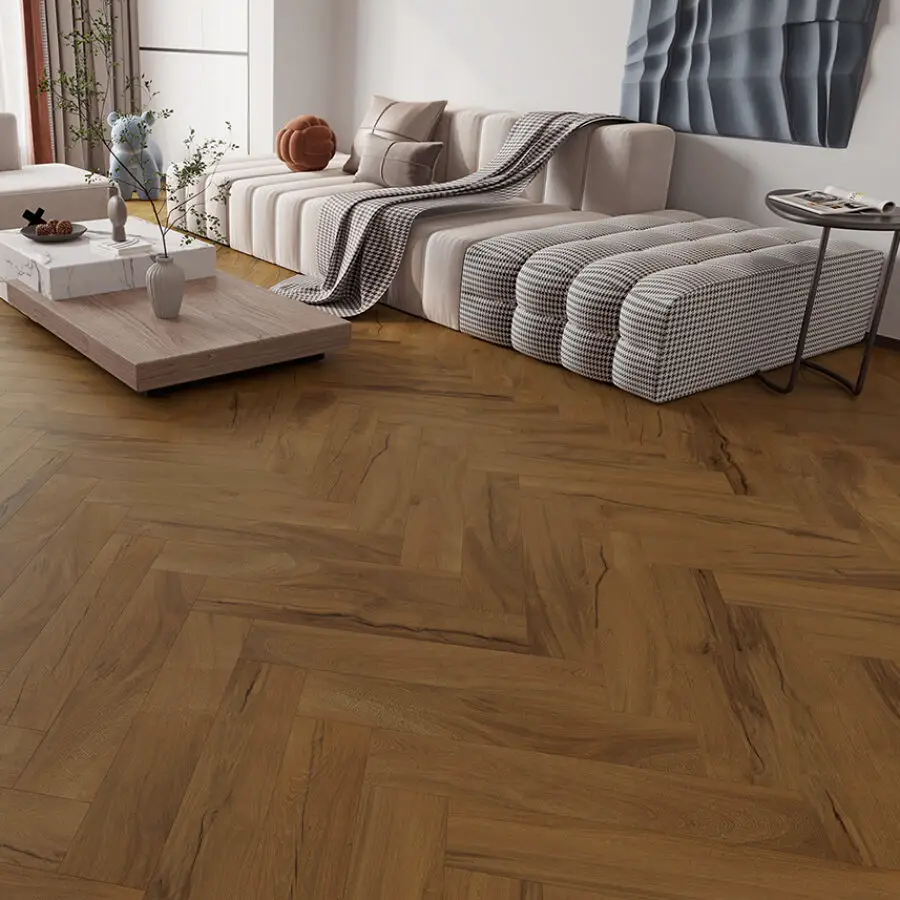
SPC flooring in a stylish herringbone pattern

Indian Climate Considerations and Regional Suitability

Monsoon Season Performance

Flooring for Indian climate must withstand extreme seasonal variations including intense monsoon periods with high humidity, temperature fluctuations, and potential flooding conditions that challenge traditional flooring materials. SPC flooring better than laminate India performance becomes most apparent during monsoon seasons when humidity levels exceed 80% and temperature variations create expansion and contraction stresses that laminate flooring cannot handle effectively. Waterproof flooring for monsoon India applications require the 100% moisture immunity that only SPC flooring provides, ensuring structural integrity regardless of environmental conditions.


Madeleine Floors Herringbone Series and Reindeer Series are specifically engineered for Indian climate conditions, incorporating moisture barrier technology and temperature-stable core construction that maintains performance from Rajasthan’s desert heat to Kerala’s coastal humidity. Monsoon-related flooring failures primarily affect moisture-sensitive materials like laminate flooring, where seasonal humidity changes cause swelling, warping, and joint separation that requires costly repairs or complete replacement. SPC flooring maintains dimensional stability regardless of humidity levels or temperature variations, providing consistent performance throughout India’s challenging seasonal cycles.

Regional Climate Adaptability

Northern India’s temperature extremes ranging from sub-zero winters to 45°C+ summers create thermal expansion stresses that laminate flooring struggles to accommodate without joint gaps or buckling problems. SPC flooring’s temperature stability maintains consistent performance across these extreme ranges, with thermal expansion coefficients significantly lower than wood-based laminate materials. Coastal regions with constant high humidity and salt air exposure particularly benefit from SPC flooring’s moisture immunity and corrosion resistance that laminate flooring cannot provide.


Desert climates in regions like Rajasthan and Gujarat present extreme temperature variations and sand exposure that challenge flooring durability through thermal cycling and abrasive conditions. SPC flooring maintains surface integrity and dimensional stability under these conditions, while laminate flooring may experience surface damage and thermal expansion issues. Hill station installations require flooring materials that handle temperature drops, occasional moisture, and seasonal variations where SPC flooring’s versatility provides reliable performance while laminate flooring may fail due to moisture sensitivity.

Application-Specific Recommendations for Indian Homes

Kitchen and Bathroom Applications

SPC flooring for kitchen installations provides unmatched performance advantages over laminate flooring in these high-moisture, high-traffic environments where water resistance is absolutely critical. Kitchen flooring must withstand cooking spills, sink overflow, dishwasher leaks, and cleaning activities that would cause immediate and irreversible damage to laminate flooring. Madeleine Floors waterproof SPC flooring performs exceptionally in kitchen applications, maintaining surface integrity and hygiene standards even with intensive cleaning and moisture exposure.


Bathroom flooring presents the ultimate test of water resistance where laminate flooring simply cannot survive shower steam, floor cleaning, and accidental water exposure that occur daily in these spaces. SPC flooring provides complete waterproofing that allows standard bathroom use without concerns about water damage, mold growth, or structural deterioration that plague moisture-sensitive flooring materials. Slip resistance and easy cleaning of SPC surfaces make them ideal for bathroom safety and hygiene maintenance requirements.

Commercial and High-Traffic Residential Areas

SPC flooring commercial use applications demonstrate the superior performance characteristics that benefit high-traffic residential areas including entryways, hallways, family rooms, and children’s play areas. Madeleine Floors Reindeer Series 7mm SPC flooring is specifically engineered for commercial environments and high-impact residential use, providing exceptional durability that withstands heavy foot traffic, furniture movement, and accidental impacts. Commercial grade SPC flooring India standards ensure long-term performance under conditions that would quickly deteriorate laminate flooring.


Durable flooring high traffic areas require impact resistance, scratch resistance, and dimensional stability that SPC flooring provides through its rigid stone-plastic core construction. Laminate flooring in high-traffic applications shows accelerated wear patterns, surface damage, and joint separation that compromise both appearance and structural integrity. Pet-friendly flooring considerations favor SPC’s scratch resistance and easy cleaning over laminate’s susceptibility to pet damage and odor absorption.
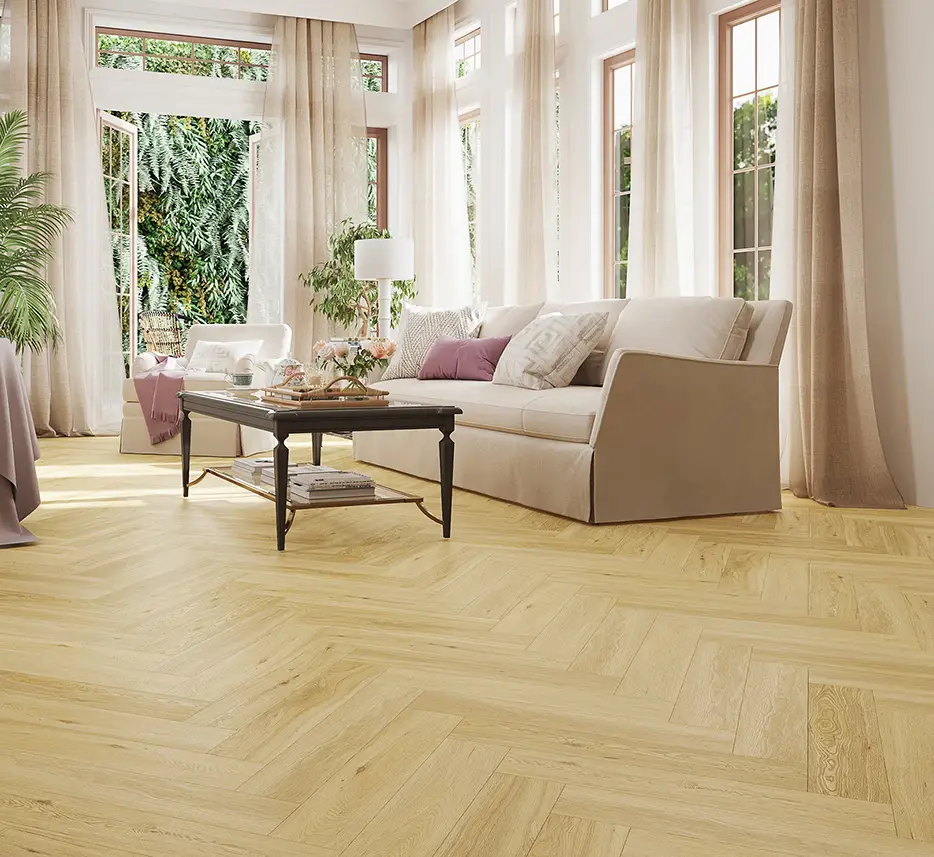
SPC herringbone flooring

Making the Right Choice: Decision Framework

Assessment Criteria for Indian Homeowners

Choosing between SPC and laminate flooring requires careful evaluation of specific home conditions, family lifestyle, budget considerations, and long-term expectations to ensure optimal flooring selection. Best flooring for Indian homes decisions should prioritize water resistance as the primary criterion, given India’s monsoon challenges and high humidity conditions that favor waterproof SPC flooring over moisture-sensitive laminate. Family composition analysis including children, pets, and elderly members influences flooring choice through safety, comfort, and durability requirements.


Room-by-room evaluation helps determine where SPC flooring advantages justify premium pricing versus areas where laminate flooring might provide adequate performance at lower cost. Wet areas (kitchens, bathrooms, laundry rooms) absolutely require waterproof SPC flooring, while dry areas (bedrooms, formal living rooms) might accommodate laminate flooring if budget constraints are primary concerns. Traffic pattern analysis identifies high-wear areas where SPC durability prevents premature replacement costs that offset initial savings from cheaper laminate options.

Professional Recommendations from Madeleine Floors

Madeleine Floors expertise in Indian flooring markets strongly recommends SPC flooring as the superior long-term investment for most Indian home applications due to climate compatibility, durability advantages, and maintenance simplicity. Professional assessment considers regional climate conditions, specific room requirements, and family lifestyle factors to recommend appropriate SPC thickness and design options from the Linea, Prima Herringbone, or Reindeer Series.


Investment perspective analysis shows SPC flooring providing better value proposition through extended lifespan, reduced maintenance costs, and elimination of water damage risks that frequently affect laminate installations in Indian conditions. Warranty coverage and after-sales support from Madeleine Floors ensure customer satisfaction and performance assurance that justify premium pricing for superior flooring solutions. Future-proofing considerations favor SPC flooring as climate change increases weather extremes and moisture challenges that will increasingly favor waterproof flooring technologies.

The Clear Winner for Indian Homes

The comprehensive SPC flooring vs laminate flooring analysis reveals SPC flooring as the clear winner for Indian homes, delivering superior performance across all critical metrics including water resistance, durability, climate adaptability, and long-term value. Waterproof flooring vs laminate comparison demonstrates that SPC flooring benefits India homeowners through 100% moisture immunity that eliminates the water damage risks and costly repairs that plague laminate flooring installations throughout India’s challenging climate conditions. Madeleine Floors SPC flooring represents the pinnacle of Indian flooring innovation, offering Herringbone Series, Reindeer Series, and Linea Series options specifically engineered to address Indian home requirements while delivering European-quality standards and aesthetic excellence.


While laminate flooring offers lower initial costs, the SPC vs laminate cost comparison over long-term ownership clearly favors SPC flooring through extended lifespan, reduced maintenance requirements, and elimination of moisture-related replacement needs. Best flooring for Indian homes must withstand monsoon seasons, temperature extremes, high humidity, and daily wear – challenges where SPC flooring durability and stone plastic composite flooring technology excel while laminate flooring disadvantages become increasingly problematic. For Indian homeowners seeking reliable, beautiful, and long-lasting flooring solutions, Madeleine Floors SPC flooring provides the optimal investment that combines practical performance with aesthetic sophistication for modern Indian living.

Frequently Asked

What is Stone Polymer Composite (SPC) flooring?
SPC flooring is a rigid core vinyl flooring made of ~60% limestone powder blended with polyvinyl chloride and stabilizers. It combines the look of natural wood or stone with exceptional durability and waterproof performance.

It offers unmatched durability, 100% waterproofing, eco-friendly materials, and realistic designs—all at an affordable price point. Its market is projected to reach $19 billion by 2033, proving its growing dominance in modern flooring.

Yes. The stone-polymer core is moisture-resistant, and when properly installed, SPC creates an impermeable barrier against water—perfect for bathrooms, kitchens, laundry rooms, and basements.

SPC floors last 20–25 years or more. They resist scratches, dents, heavy loads, and temperature changes better than hardwood or laminate, making them ideal for high-traffic areas or commercial spaces.

Yes. Thanks to its click-lock installation system, SPC can be installed over most existing subfloors, including tile, vinyl, or concrete—provided the surface is clean, dry, and level.

Not necessarily. Its DIY-friendly click-lock system allows homeowners to install it without adhesives or nails, but professionals may be preferred for large or complex spaces.

Routine sweeping or vacuuming and damp mopping with pH-neutral cleaners are sufficient. It doesn’t need waxing or refinishing and resists stains from spills like wine or coffee.

Yes. Many SPC products use up to 60% recycled content, are recyclable at end-of-life, and emit very low VOCs (meeting FloorScore and GREENGUARD Gold standards), ensuring safe indoor air quality.

SPC offers a denser, more rigid core that resists warping, temperature changes, and heavy impacts better than standard luxury vinyl plank (LVP) flooring.

Categories
Stone Polymer Composite Flooring

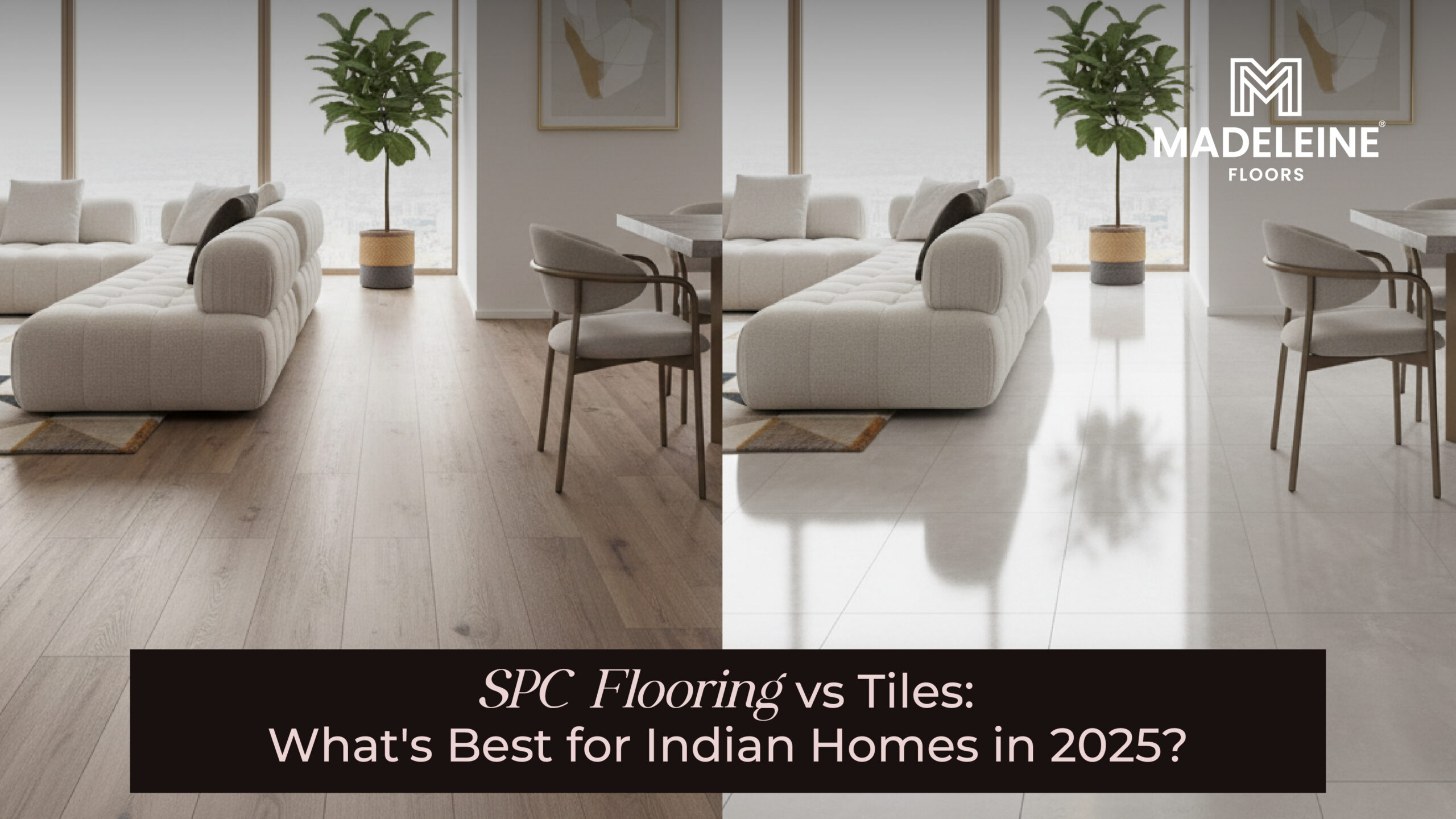
SPC Flooring vs Tiles: What’s Best for Indian Homes in 2025?

SPC Flooring vs Tiles: What's Best for Indian Homes in 2025?

SPC flooring for Indian homes

Choosing the right SPC flooring for Indian homes has never been more important than in 2025, as homeowners increasingly seek solutions that combine durability, aesthetics, and practicality for India’s unique climate challenges. While ceramic and vitrified tiles have dominated Indian households for decades, SPC (Stone Polymer Composite) flooring is rapidly emerging as the preferred choice for modern homes seeking waterproof, comfortable, and stylish alternatives. This comprehensive comparison explores SPC flooring vs tiles, helping you make an informed decision for your most cherished spaces with insights into cost, durability, comfort, and suitability for Indian conditions.


The best SPC flooring for Indian homes 2025 trends show a clear shift toward waterproof flooring India solutions, with SPC flooring experiencing remarkable 22.5% market growth compared to traditional tiles’ 8.2% growth.

Madeleine Floors, India’s leading SPC flooring manufacturer, has revolutionized the market with innovative herringbone SPC flooring patterns and comprehensive product ranges designed specifically for Indian climate conditions. This detailed analysis covers everything from SPC flooring price in India to installation requirements, maintenance needs, and long-term value propositions.

What is SPC Flooring?

SPC flooring (Stone Polymer Composite) represents next-generation rigid core flooring technology, combining approximately 60% natural limestone powder with polyvinyl chloride and specialized stabilizers to create an ultra-durable, 100% waterproof surface. Unlike traditional vinyl flooring, SPC flooring features a dense, rigid core that provides exceptional dimensional stability, making it significantly more resistant to temperature fluctuations, moisture penetration, and structural deformation than conventional alternatives. The innovative composition ensures SPC flooring maintains its integrity and appearance even under extreme Indian climate conditions, from monsoon humidity to summer heat.


SPC flooring for Indian homes


Madeleine Floors has pioneered SPC flooring innovation in India with three distinct series: the commercial-grade Reindeer Series (7mm thickness for high-traffic areas), the versatile Prima Herringbone Series (6mm for residential and commercial spaces), and the efficient Linea Series (5mm for lightweight applications). Each series incorporates advanced click-lock installation systems that eliminate the need for adhesives, nails, or specialized tools, enabling fast, mess-free installation that can transform spaces in a single day.

SPC Flooring Technology and Construction

The sophisticated multi-layer construction of SPC flooring typically includes four to five distinct layers, each serving specific functional purposes for optimal performance in Indian homes. The top layer consists of a transparent UV-protected wear layer (0.3mm to 0.7mm thickness) that provides excellent resistance to scratches, stains, and daily wear, while the decorative vinyl film beneath delivers realistic wood, stone, or tile appearances. The heart of SPC flooring is its rigid limestone-polymer core (3.5mm to 5mm thickness), which gives the flooring its exceptional stability and durability characteristics.


Premium SPC flooring products often include integrated IXPE foam underlayment layers that enhance sound absorption, thermal insulation, and underfoot comfort – crucial benefits for Indian homes where bare-foot living is common. This multi-layer approach ensures SPC flooring delivers superior performance across all key metrics while maintaining visual authenticity that rivals natural materials. The precision manufacturing process enables SPC flooring to achieve remarkable consistency in thickness and quality, ensuring seamless installations and long-term performance reliability.

Comprehensive SPC Flooring vs Tiles Comparison

Durability and Performance Analysis

SPC flooring vs tiles durability comparison reveals significant advantages for SPC technology, particularly in impact resistance and long-term structural integrity. SPC flooring demonstrates superior resistance to dents, scratches, and daily wear compared to ceramic tiles, which can chip or crack when heavy objects are dropped. The limestone-polymer core provides exceptional resilience against furniture marks, pet scratches, and high-traffic wear patterns that commonly affect traditional tile surfaces.

Temperature stability represents another crucial advantage of SPC flooring vs tiles in Indian climate conditions, where extreme temperature variations can cause traditional tiles to expand and contract, potentially leading to cracking or grout line failures. SPC flooring maintains dimensional stability across temperature ranges from -10°C to 60°C, ensuring consistent performance through India’s varied seasonal conditions. The 25-year average lifespan of SPC flooring matches or exceeds ceramic tiles while providing superior performance characteristics throughout its operational life.


SPC Flooring at children play school

Water Resistance and Climate Suitability


Waterproof flooring India requirements make SPC flooring vs tiles comparison particularly relevant for monsoon-prone regions and high-humidity areas. SPC flooring provides 100% waterproof performance at both surface and core levels, preventing water infiltration that can damage subfloors or create mold conditions. Unlike ceramic tiles, where grout lines can absorb moisture over time and require periodic sealing, SPC flooring maintains complete water resistance without ongoing maintenance requirements.


The waterproof SPC flooring advantage becomes especially significant in Indian kitchens, bathrooms, and ground-floor installations where water exposure is frequent. Traditional tile installations require professional waterproofing treatments and careful grout maintenance to prevent water damage, while SPC flooring provides inherent protection against spills, floods, and moisture infiltration. This characteristic makes SPC flooring particularly valuable for basement installations, coastal homes, and areas prone to seasonal flooding.

Comfort and Underfoot Experience


The comfort comparison in SPC flooring vs tiles analysis reveals substantial advantages for SPC technology, particularly important for Indian homes where barefoot living is common. SPC flooring feels significantly warmer and softer underfoot compared to ceramic tiles, which can feel cold and hard, especially during winter months or in air-conditioned environments. The slight resilience of SPC flooring reduces fatigue for people who stand for extended periods, making it ideal for kitchens and work areas.

Sound absorption represents another comfort advantage of SPC flooring vs tiles, with SPC technology providing natural noise reduction that creates quieter living environments. This benefit proves particularly valuable in apartment buildings and multi-story homes where footstep noise can be disruptive. The thermal properties of SPC flooring also contribute to energy efficiency, as the material doesn’t conduct heat as readily as ceramic tiles, potentially reducing cooling costs in hot climates.

Installation and Maintenance Considerations

Installation Process and Requirements

SPC flooring installation offers significant advantages over traditional tile installation, featuring innovative click-lock systems that enable fast, mess-free installation without adhesives or specialized tools. The floating floor installation method allows SPC flooring to be installed directly over most existing surfaces, including concrete, plywood, and even existing vinyl or tile floors, provided they are clean, level, and structurally sound. Professional installation can typically complete residential SPC flooring projects in a single day, compared to 3-4 days required for ceramic tile installation.


The SPC flooring installation process eliminates the curing time, grouting requirements, and post-installation cleanup associated with traditional tile work. Madeleine Floors SPC products feature precision-engineered locking systems that create secure, gap-free joints without requiring adhesives, making DIY installation possible for homeowners with basic skills. The uniform thickness and manufacturing precision of SPC flooring ensure seamless transitions and professional-quality results regardless of installation method.

Maintenance Requirements and Long-term Care

SPC flooring maintenance dramatically simplifies floor care compared to traditional tile installations, requiring only basic cleaning routines to maintain pristine appearance. Regular sweeping or vacuuming removes surface debris, while weekly damp mopping with pH-neutral cleaners keeps SPC flooring looking fresh and new. Unlike ceramic tiles that require periodic grout cleaning, sealing, and potential re-grouting, SPC flooring never needs these costly and time-consuming maintenance procedures.

The maintenance advantages of SPC flooring vs tiles extend to resistance against common household challenges, including pet accidents, food spills, and muddy footprints that can permanently stain grout lines in tile installations. The protective wear layer prevents liquids from penetrating the surface, allowing easy cleanup of even stubborn substances like cooking oils, wine, or curry spills common in Indian cooking. This low-maintenance characteristic represents substantial long-term savings in both time and professional cleaning costs.

Cost Analysis and Value Proposition

Initial Investment and Installation Costs

SPC flooring price in India comparison with tiles reveals competitive pricing when considering total project costs including materials, installation, and long-term maintenance. SPC flooring cost per sq ft India ranges from ₹150-250 including installation, while ceramic tiles range from ₹120-400 depending on quality and design complexity. However, the faster installation process of SPC flooring significantly reduces labor costs and project disruption compared to traditional tile installation.

SPC Floors

Madeleine Floors offers competitive pricing across its SPC flooring ranges: Linea Series starting at ₹180/sq ft, Prima Herringbone Series at ₹220/sq ft, and premium Reindeer Series at ₹250/sq ft. When factoring installation time, elimination of grouting costs, and reduced subfloor preparation requirements, SPC flooring often provides superior value compared to mid-premium ceramic tile installations.

Long-term Value and Return on Investment


The SPC flooring vs tiles long-term value analysis demonstrates significant advantages for SPC technology through reduced maintenance costs, extended lifespan, and superior performance retention. SPC flooring typically maintains over 90% of its original appearance after 15 years of residential use, while ceramic tiles may show wear patterns, grout discoloration, and potential cracking requiring repairs or replacement. The 25-year operational lifespan of SPC flooring combined with minimal maintenance requirements provides excellent return on investment.


Energy efficiency considerations also favor SPC flooring vs tiles in terms of long-term operating costs, as the thermal properties of SPC technology contribute to improved comfort and potentially reduced cooling costs in hot climates. The sound absorption characteristics of SPC flooring add value in multi-story homes and apartments where noise reduction improves living quality. Additionally, the easier renovation potential of SPC flooring – which can be installed over existing floors – provides flexibility for future updates without major construction disruption.

Design Options and Aesthetic Considerations

Style Versatility and Design Trends

SPC flooring design options have evolved dramatically to meet diverse aesthetic preferences, with herringbone SPC flooring patterns leading 2025 trends in sophisticated residential applications. Madeleine Floors pioneered India’s first SPC herringbone floors, offering both Straight Herringbone and Double Herringbone patterns that combine traditional elegance with modern durability. The advanced printing technology enables SPC flooring to achieve ultra-realistic wood, stone, and tile appearances that rival natural materials in visual authenticity.


spc herringbone flooring by Madeleine Floors

Current SPC flooring trends favor warm wood tones, wide plank designs, and natural textures that complement contemporary Indian interior preferences. The versatility of SPC flooring enables seamless integration with various design themes, from minimalist modern to traditional Indian aesthetics. While ceramic tiles offer broader color and pattern variety, SPC flooring provides sophisticated options that satisfy most residential design requirements while delivering superior performance benefits.

Pattern Innovation and Installation Flexibility

Herringbone SPC flooring represents the pinnacle of pattern innovation, offering timeless sophistication previously limited to expensive hardwood installations. The precision manufacturing of SPC herringbone flooring enables complex pattern layouts that create visual depth and spaciousness in residential applications. Madeleine Floors herringbone series demonstrates how advanced SPC flooring technology can deliver luxury aesthetics with practical benefits including waterproof performance and easy maintenance.

spc herringbone flooring

Pattern installation flexibility gives SPC flooring vs tiles significant advantages in creative applications, as the click-lock systems enable complex layouts without grouting challenges. The ability to create seamless pattern transitions and custom design elements makes SPC flooring particularly suitable for open-plan Indian homes where flooring continuity enhances spatial flow. Modern SPC flooring manufacturing enables mixed pattern installations and creative transitions that would be complex and expensive with traditional tile systems.

Market Trends and Future Outlook

Industry Growth and Adoption Patterns

The SPC flooring market in India demonstrates exceptional growth potential, with projected 22.5% annual growth rates significantly exceeding traditional tile market expansion. SPC flooring manufacturers India are rapidly expanding production capacity to meet growing demand from both residential and commercial sectors seeking waterproof, durable flooring solutions. The Indian SPC flooring market benefits from increasing awareness of international design trends and growing preference for low-maintenance building materials.


Consumer preference trends strongly favor waterproof flooring India solutions, with SPC flooring positioned to capture significant market share from traditional ceramic tiles. The growing middle-class population and urbanization trends support continued expansion of premium flooring markets, with SPC flooring offering accessible luxury that appeals to aspirational consumers. Major infrastructure projects and commercial development further drive demand for durable, quickly-installed flooring systems.

Innovation and Technology Development

Technological advancement in SPC flooring continues to enhance performance characteristics and aesthetic options, with manufacturers investing heavily in improved wear layers, enhanced locking systems, and expanded design portfolios. Smart manufacturing techniques enable consistent quality production while reducing costs, making premium SPC flooring more accessible to broader market segments. Environmental considerations increasingly influence product development, with recycled content and sustainable manufacturing processes becoming standard features.


The future of SPC flooring vs tiles competition will likely favor SPC technology as manufacturing scale economies reduce costs while performance advantages become more widely recognized. Integration of smart home technologies and enhanced acoustic properties represents emerging opportunities for SPC flooring differentiation. Continued innovation in installation systems and product customization will further strengthen SPC flooring market position against traditional alternatives.

Professional Recommendations and Best Practices

Choosing the Right Flooring Solution

 SPC flooring vs tiles decision criteria should prioritize long-term performance, maintenance requirements, and suitability for specific applications over initial cost considerations. For Indian homes prioritizing comfort, water resistance, and low maintenance, SPC flooring provides compelling advantages that justify premium pricing through superior lifetime value. Consider SPC flooring for high-moisture areas, homes with children or elderly residents, and applications requiring fast installation with minimal disruption.


SPC flooring by Madeleine Floors

Ceramic tiles remain appropriate for outdoor applications, extremely high-temperature environments, and situations where extensive design variety is essential. However, for most residential applications, the combination of performance benefits, comfort advantages, and maintenance convenience makes SPC flooring the preferred choice for modern Indian homes. Professional consultation can help evaluate specific requirements and recommend optimal solutions based on individual circumstances.

Installation and Maintenance Best Practices

Successful SPC flooring installation requires proper subfloor preparation, appropriate acclimatization periods, and adherence to manufacturer specifications for expansion gaps and environmental conditions. Madeleine Floors provides comprehensive installation guidelines and professional support to ensure optimal results with their SPC products. Regular maintenance following manufacturer recommendations will maximize SPC flooring lifespan and performance characteristics.


Quality assurance considerations favor established manufacturers with proven track records and comprehensive warranties, such as Madeleine Floors with their specialized SPC flooring expertise and India-specific product development. Professional installation ensures proper handling of complex areas, transition strips, and environmental considerations that affect long-term performance. Investment in quality products and proper installation provides the best foundation for enjoying SPC flooring benefits throughout its operational life.

Making the Right Choice for Your Home

SPC flooring vs tiles analysis clearly demonstrates the superior value proposition of SPC technology for contemporary Indian homes seeking comfort, durability, and low maintenance. The combination of 100% waterproof performance, comfortable underfoot experience, easy installation, and minimal maintenance requirements positions SPC flooring as the optimal choice for modern residential applications. Madeleine Floors leadership in SPC flooring innovation, with India’s first herringbone patterns and comprehensive product ranges, provides homeowners access to world-class flooring solutions designed specifically for Indian conditions.


The best SPC flooring for Indian homes 2025 trends strongly favor waterproof flooring India solutions that can withstand monsoon conditions, provide year-round comfort, and minimize maintenance requirements. While ceramic tiles will continue serving specific applications, the remarkable growth of SPC flooring reflects increasing recognition of its superior performance characteristics and long-term value. For homeowners prioritizing quality, comfort, and convenience, SPC flooring represents the future of residential flooring in India.


Whether renovating existing spaces or designing new homes, SPC flooring offers the perfect combination of aesthetic appeal, practical performance, and economic value that makes it the smart choice for discerning Indian homeowners. Madeleine Floors continues leading this transformation with innovative products, comprehensive support, and commitment to bringing world-class flooring solutions to Indian homes.

Frequently Asked

What is Stone Polymer Composite (SPC) flooring?
SPC flooring is a rigid core vinyl flooring made of ~60% limestone powder blended with polyvinyl chloride and stabilizers. It combines the look of natural wood or stone with exceptional durability and waterproof performance.

It offers unmatched durability, 100% waterproofing, eco-friendly materials, and realistic designs—all at an affordable price point. Its market is projected to reach $19 billion by 2033, proving its growing dominance in modern flooring.

Yes. The stone-polymer core is moisture-resistant, and when properly installed, SPC creates an impermeable barrier against water—perfect for bathrooms, kitchens, laundry rooms, and basements.

SPC floors last 20–25 years or more. They resist scratches, dents, heavy loads, and temperature changes better than hardwood or laminate, making them ideal for high-traffic areas or commercial spaces.

Yes. Thanks to its click-lock installation system, SPC can be installed over most existing subfloors, including tile, vinyl, or concrete—provided the surface is clean, dry, and level.

Not necessarily. Its DIY-friendly click-lock system allows homeowners to install it without adhesives or nails, but professionals may be preferred for large or complex spaces.

Routine sweeping or vacuuming and damp mopping with pH-neutral cleaners are sufficient. It doesn’t need waxing or refinishing and resists stains from spills like wine or coffee.

Yes. Many SPC products use up to 60% recycled content, are recyclable at end-of-life, and emit very low VOCs (meeting FloorScore and GREENGUARD Gold standards), ensuring safe indoor air quality.

SPC offers a denser, more rigid core that resists warping, temperature changes, and heavy impacts better than standard luxury vinyl plank (LVP) flooring.

Categories
SPC Flooring Stone Polymer Composite Flooring

Everything You Need to Know About Stone Polymer Composite Flooring in 2025

Everything You Need to Know About Stone Polymer Composite Flooring in 2025

Stone Polymer Composite Flooring

The flooring industry has witnessed a remarkable transformation in recent years, with Stone Polymer Composite Flooring emerging as the most innovative and sustainable solution for modern homes and commercial spaces. As we navigate through 2025, SPC flooring has revolutionized the way we think about durability, design, and environmental responsibility in floor coverings. This comprehensive guide explores every aspect of Stone Polymer Composite Flooring, from its cutting-edge composition to its market-leading benefits, providing you with the essential knowledge to make informed flooring decisions for your space.


Stone Polymer Composite Flooring represents a significant leap forward in flooring technology, combining the aesthetic appeal of natural materials with the practical advantages of modern engineering. With the global SPC flooring market projected to reach $19 billion by 2033, growing at an impressive 17.5% CAGR, this flooring solution has clearly captured the attention of homeowners, architects, and commercial developers worldwide. The surge in popularity stems from SPC flooring’s unique ability to deliver waterproof performance, exceptional durability, and eco-friendly credentials while maintaining an affordable price point that makes premium flooring accessible to a broader market.

Understanding SPC Stone Polymer Composite Flooring

Stone Polymer Composite Flooring is an advanced rigid core flooring system that represents the pinnacle of modern flooring engineering. At its foundation, SPC flooring consists of a dense core made from approximately 60% natural limestone powder combined with polyvinyl chloride and specialized stabilizers. This unique composition creates a flooring material that is significantly more stable and durable than traditional vinyl flooring options, while maintaining the flexibility needed for easy installation and long-term performance.


The manufacturing process of Stone Polymer Composite Flooring involves precision engineering that combines natural stone materials with polymer technology to create a rigid, dimensionally stable core. Unlike traditional luxury vinyl planks that use a flexible PVC core, SPC flooring’s stone-polymer core provides exceptional resistance to temperature fluctuations, moisture penetration, and structural deformation. This innovative composition ensures that SPC floors maintain their integrity and appearance even under extreme conditions, making them suitable for both residential and high-traffic commercial applications.

The Multi-Layer Construction System

Stone Polymer Composite Flooring features a sophisticated multi-layer construction that typically includes four to five distinct layers, each serving a specific functional purpose. The top layer consists of a transparent UV-protected wear layer, usually ranging from 0.3mm to 0.7mm in thickness, which provides excellent resistance to scratches, stains, and daily wear. Beneath this protective layer lies the decorative vinyl film that delivers the realistic wood, stone, or tile appearance that makes SPC flooring so visually appealing.


The heart of Stone Polymer Composite Flooring is its rigid SPC core layer, which typically measures 3.5mm to 5mm in thickness and contains the limestone-polymer blend that gives the flooring its exceptional stability and durability. Some premium SPC products include an integrated IXPE foam underlayment layer at the bottom, which enhances sound absorption, thermal insulation, and underfoot comfort. This multi-layer approach ensures that Stone Polymer Composite Flooring delivers superior performance across all key metrics while maintaining the visual authenticity that modern consumers demand.

Comprehensive Benefits of Stone Polymer Composite Flooring

Unmatched Durability and Longevity

Stone Polymer Composite Flooring sets the industry standard for durability, with properly installed and maintained floors lasting 20 to 25 years or more. The limestone-polymer core provides exceptional resistance to impacts, indentations, and heavy furniture loads, making it ideal for both residential families with children and pets, and commercial spaces with high foot traffic. Unlike traditional hardwood flooring that can scratch, dent, or show wear patterns over time, Stone Polymer Composite Flooring maintains its original appearance throughout its lifespan, even in the most demanding environments.


The superior durability of Stone Polymer Composite Flooring extends beyond surface protection to include dimensional stability that prevents warping, cupping, or gapping commonly associated with natural wood products. The rigid core construction ensures that planks remain flat and properly aligned, even when subjected to temperature variations or humidity changes that would cause significant problems with laminate or hardwood flooring. This exceptional stability translates to long-term cost savings, as SPC floors rarely require repairs or premature replacement, making them one of the most cost-effective flooring investments available in 2025.

100% Waterproof Performance

One of the most compelling advantages of Stone Polymer Composite Flooring is its complete waterproof properties, setting it apart from virtually all other flooring options in the market. The stone-polymer core is inherently moisture-resistant, and when combined with proper edge sealing and installation techniques, SPC flooring creates a completely impermeable barrier against water infiltration. This makes Stone Polymer Composite Flooring the ideal choice for moisture-prone areas such as kitchens, bathrooms, laundry rooms, and basements, where traditional hardwood and laminate flooring would fail.


The waterproof nature of Stone Polymer Composite Flooring also provides peace of mind against accidents, spills, and unexpected water events that can destroy other flooring types. Unlike laminate flooring, which can swell and become permanently damaged when exposed to moisture, SPC flooring can withstand standing water for extended periods without any structural damage or performance degradation. This characteristic makes Stone Polymer Composite Flooring particularly valuable in commercial applications such as restaurants, healthcare facilities, and retail environments where spills and cleaning procedures are routine.

Effortless Installation Process

Stone Polymer Composite Flooring revolutionizes the installation experience with its innovative click-lock systems that enable fast, efficient, and DIY-friendly installation. The precision-engineered tongue-and-groove connections create secure joints that eliminate the need for adhesives, nails, or specialized tools, making it possible for homeowners to achieve professional-quality results without hiring contractors. The floating floor installation method allows Stone Polymer Composite Flooring to be installed directly over most existing subfloors, including concrete, plywood, and even existing vinyl or tile surfaces, provided they are clean, level, and structurally sound.


The installation efficiency of Stone Polymer Composite Flooring translates to significant time and cost savings, with most residential installations completing in a single day. The planks are designed to accommodate natural building movement through expansion gaps around the perimeter, eliminating the risk of buckling or separation that can occur with improperly installed rigid flooring systems. Additionally, the uniform thickness and precise manufacturing tolerances of Stone Polymer Composite Flooring ensure that transitions between planks are virtually invisible, creating a seamless, professional appearance that rivals expensive hardwood installations.

Low Maintenance Requirements

Stone Polymer Composite Flooring dramatically simplifies floor care and maintenance, requiring only basic cleaning routines to maintain its pristine appearance. Regular sweeping or vacuuming with a soft brush attachment removes surface dirt and debris, while weekly damp mopping with pH-neutral cleaners keeps the floor looking fresh and new. Unlike hardwood flooring that requires periodic refinishing, waxing, or special treatments, Stone Polymer Composite Flooring never needs these costly and time-consuming maintenance procedures.


The maintenance advantages of Stone Polymer Composite Flooring extend to its resistance to common household challenges, including pet accidents, food spills, and muddy footprints that can permanently stain other flooring types. The protective wear layer prevents liquids from penetrating the surface, allowing for easy cleanup of even stubborn substances like red wine, coffee, or cooking oils. For busy families and commercial environments, this low-maintenance characteristic of Stone Polymer Composite Flooring represents substantial savings in both time and professional cleaning costs over the floor’s lifetime.

Environmental Sustainability and Eco-Friendly Features

Recycled Materials and Sustainable Manufacturing

Stone Polymer Composite Flooring leads the industry in environmental responsibility through its extensive use of recycled materials and sustainable manufacturing processes. Modern SPC flooring incorporates up to 60% recycled content, including post-consumer plastics and reclaimed limestone materials, significantly reducing the demand for virgin resources and supporting circular economy principles. The manufacturing process for Stone Polymer Composite Flooring is also optimized for energy efficiency, consuming substantially less energy than traditional hardwood processing or ceramic tile production, resulting in a 40% lower carbon footprint compared to conventional flooring options.


The sustainability credentials of Stone Polymer Composite Flooring extend beyond manufacturing to include end-of-life recyclability, with many manufacturers offering take-back programs that ensure used flooring materials are properly recycled rather than sent to landfills. This comprehensive approach to environmental stewardship makes Stone Polymer Composite Flooring an ideal choice for green building projects seeking LEED certification or other sustainability certifications. Additionally, the durability and longevity of SPC flooring means fewer replacement cycles, further reducing environmental impact over the building’s lifetime.

Installation Process and Best Practices

Pre-Installation Preparation

Successful Stone Polymer Composite Flooring installation begins with thorough subfloor preparation that ensures optimal performance and longevity. The subfloor must be clean, dry, level, and structurally sound, with moisture levels below 12% for concrete substrates and proper humidity control maintained throughout the installation process. Any existing flooring irregularities should be addressed through grinding, patching, or leveling compounds to create a smooth, uniform surface that prevents telegraphing and ensures proper plank alignment.


Acclimation requirements for Stone Polymer Composite Flooring are minimal compared to natural wood products, typically requiring only 24 hours in the installation environment to reach ambient temperature. However, proper layout planning is crucial, with installers measuring room dimensions and calculating plank layouts to avoid narrow strips at walls and ensure balanced, professional-looking results. The use of expansion gaps around the room perimeter, typically 6-8mm, allows for natural building movement and prevents potential buckling issues.

Installation Methodology and Techniques

The installation of Stone Polymer Composite Flooring follows a systematic approach that begins with establishing a straight reference line and proceeds in a left-to-right, row-by-row pattern. The first row requires removal of the tongue edge to create a clean wall-side edge, with subsequent rows installed using the click-lock mechanism that creates secure, gap-free joints. Proper use of tapping blocks and pull bars ensures tight connections without damaging the delicate locking systems, while staggering joint patterns by at least 300mm creates an aesthetically pleasing and structurally sound installation.


Advanced installation techniques for Stone Polymer Composite Flooring include proper handling of obstacles such as heating pipes, door frames, and irregular wall configurations. The rigid nature of SPC flooring requires precise cutting and fitting around these features, with expansion gaps maintained around all fixed elements to prevent restriction of natural floor movement. Final installation steps include installation of transition strips, baseboards, and quarter-round moldings that provide a professional finished appearance while concealing expansion gaps.

Maintenance Guidelines and Long-Term Care

Daily and Weekly Maintenance Routines

Maintaining the beauty and performance of Stone Polymer Composite Flooring requires consistent but simple care routines that preserve the protective wear layer and prevent dirt accumulation. Daily maintenance consists of prompt cleanup of spills and debris, along with dry sweeping or vacuuming using soft brush attachments that won’t scratch the surface. Weekly maintenance involves damp mopping with pH-neutral cleaners specifically formulated for vinyl flooring, using well-wrung mops to prevent excess water from seeping into joints.


The maintenance protocol for Stone Polymer Composite Flooring specifically prohibits the use of abrasive cleaners, steam mops, or wax-based products that can damage the wear layer or create buildup that affects appearance and performance. Furniture protection through felt pads and avoiding dragging heavy objects across the floor prevents scratches and indentations, while entrance mats help minimize the introduction of abrasive dirt and moisture. These simple maintenance practices ensure that Stone Polymer Composite Flooring retains its original beauty and performance characteristics throughout its extended lifespan.

Protective Measures and Damage Prevention

Long-term care of Stone Polymer Composite Flooring involves implementing protective measures that prevent common sources of damage and wear. Strategic placement of area rugs in high-traffic zones distributes foot traffic loads and provides additional protection against dirt and debris tracked in from outside. Regular inspection and prompt attention to any loose planks or damaged areas prevents minor issues from developing into major problems that could compromise the floor’s integrity.


Environmental control plays a crucial role in maximizing the lifespan of Stone Polymer Composite Flooring, with optimal performance achieved when indoor temperatures remain between 65-75°F and relative humidity levels stay within 30-70%. While SPC flooring is highly resistant to temperature and humidity variations, extreme conditions can still affect performance and appearance over extended periods. Professional deep cleaning annually or bi-annually can remove embedded dirt and restore the floor’s original luster, ensuring that Stone Polymer Composite Flooring continues to provide exceptional value and performance year after year.

Market Trends and Future Outlook for 2025

Industry Growth and Market Dynamics

The Stone Polymer Composite Flooring market is experiencing unprecedented growth in 2025, driven by increasing consumer demand for sustainable, durable, and cost-effective flooring solutions. Market analysts project the global SPC flooring industry will reach $19 billion by 2033, representing a remarkable 400% growth from 2023 levels and reflecting the widespread adoption of this innovative flooring technology. The rapid market expansion is fueled by several key factors, including urbanization in developing countries, rising disposable incomes, and growing awareness of the practical and environmental benefits of Stone Polymer Composite Flooring.


Regional market trends show particularly strong growth in Asia-Pacific markets, led by China and India, where infrastructure development and green building initiatives are driving demand for sustainable flooring solutions. North American and European markets continue to show robust performance, with commercial applications expanding rapidly in office buildings, retail spaces, and hospitality venues where the durability and low maintenance requirements of Stone Polymer Composite Flooring provide significant operational advantages. The increasing focus on indoor air quality and sustainable building practices is positioning SPC flooring as the preferred choice for health-conscious consumers and environmentally responsible developers.

Design Innovation and Aesthetic Trends

The aesthetic evolution of Stone Polymer Composite Flooring in 2025 reflects sophisticated consumer preferences for authentic, natural-looking surfaces combined with practical performance benefits. Advanced printing technologies and embossing techniques now enable SPC manufacturers to create ultra-realistic wood, stone, and tile appearances that rival their natural counterparts in visual authenticity. Popular design trends include wide-plank formats that mimic premium hardwood species, along with matte finishes and hand-scraped textures that provide tactile realism.

Color and pattern preferences in Stone Polymer Composite Flooring are shifting toward lighter, neutral tones that complement contemporary interior design aesthetics while providing versatile backgrounds for diverse decorating styles. The introduction of herringbone and chevron patterns in SPC format has opened new design possibilities previously limited to expensive hardwood installations. Technological innovations continue to push the boundaries of what’s possible with Stone Polymer Composite Flooring, including integrated smart features and enhanced acoustic properties that address the evolving needs of modern living and working spaces.

Technological Advancements and Product Innovation

The technological landscape of Stone Polymer Composite Flooring continues to evolve rapidly in 2025, with manufacturers introducing innovations that enhance performance, sustainability, and user experience. Next-generation click-lock systems provide even easier installation with improved joint integrity, while enhanced wear layers offer superior scratch and stain resistance for demanding applications. Bio-based polymer formulations are becoming increasingly common, reducing reliance on traditional petroleum-based materials and further improving the environmental profile of Stone Polymer Composite Flooring.

Smart flooring integration represents an emerging trend in Stone Polymer Composite Flooring, with some manufacturers exploring embedded sensors for health monitoring, energy management, and home automation systems. Enhanced acoustic performance through improved underlayment systems and core formulations addresses the growing demand for noise reduction in multi-story residential and commercial buildings. These technological advances ensure that Stone Polymer Composite Flooring remains at the forefront of flooring innovation, continuously meeting and exceeding the evolving expectations of architects, designers, and end users.

The Future of Flooring is Here

Stone Polymer Composite Flooring has definitively established itself as the premier flooring solution for 2025 and beyond, combining exceptional durability, complete waterproof performance, and environmental responsibility in a single, comprehensive package. As we’ve explored throughout this comprehensive guide, the unique stone-polymer core technology delivers unmatched stability and longevity, while the diverse design options ensure that aesthetic preferences are never compromised for practical performance. The impressive market growth projections and widespread adoption across residential and commercial sectors confirm that Stone Polymer Composite Flooring is not merely a trend, but a fundamental shift toward more intelligent, sustainable flooring choices.


The environmental benefits of Stone Polymer Composite Flooring, including its high recycled content, low VOC emissions, and complete recyclability, align perfectly with the growing emphasis on sustainable building practices and healthy indoor environments. Combined with its low maintenance requirements, easy installation process, and exceptional cost-effectiveness over its 20+ year lifespan, Stone Polymer Composite Flooring represents the ideal intersection of performance, sustainability, and value. For homeowners, architects, and commercial developers seeking flooring solutions that deliver on every important criterion, Stone Polymer Composite Flooring stands alone as the definitive choice for the modern built environment.


As the flooring industry continues to evolve, Stone Polymer Composite Flooring is positioned to lead the way with ongoing innovations in design, performance, and sustainability that will further enhance its already impressive value proposition. Whether you’re planning a residential renovation, designing a commercial space, or specifying materials for a large-scale development project, Stone Polymer Composite Flooring offers the perfect combination of beauty, durability, and environmental responsibility that today’s discerning consumers and forward-thinking professionals demand.

Frequently Asked

What is Stone Polymer Composite (SPC) flooring?
SPC flooring is a rigid core vinyl flooring made of ~60% limestone powder blended with polyvinyl chloride and stabilizers. It combines the look of natural wood or stone with exceptional durability and waterproof performance.

It offers unmatched durability, 100% waterproofing, eco-friendly materials, and realistic designs—all at an affordable price point. Its market is projected to reach $19 billion by 2033, proving its growing dominance in modern flooring.

Yes. The stone-polymer core is moisture-resistant, and when properly installed, SPC creates an impermeable barrier against water—perfect for bathrooms, kitchens, laundry rooms, and basements.

SPC floors last 20–25 years or more. They resist scratches, dents, heavy loads, and temperature changes better than hardwood or laminate, making them ideal for high-traffic areas or commercial spaces.

Yes. Thanks to its click-lock installation system, SPC can be installed over most existing subfloors, including tile, vinyl, or concrete—provided the surface is clean, dry, and level.

Not necessarily. Its DIY-friendly click-lock system allows homeowners to install it without adhesives or nails, but professionals may be preferred for large or complex spaces.

Routine sweeping or vacuuming and damp mopping with pH-neutral cleaners are sufficient. It doesn’t need waxing or refinishing and resists stains from spills like wine or coffee.

Yes. Many SPC products use up to 60% recycled content, are recyclable at end-of-life, and emit very low VOCs (meeting FloorScore and GREENGUARD Gold standards), ensuring safe indoor air quality.

SPC offers a denser, more rigid core that resists warping, temperature changes, and heavy impacts better than standard luxury vinyl plank (LVP) flooring.