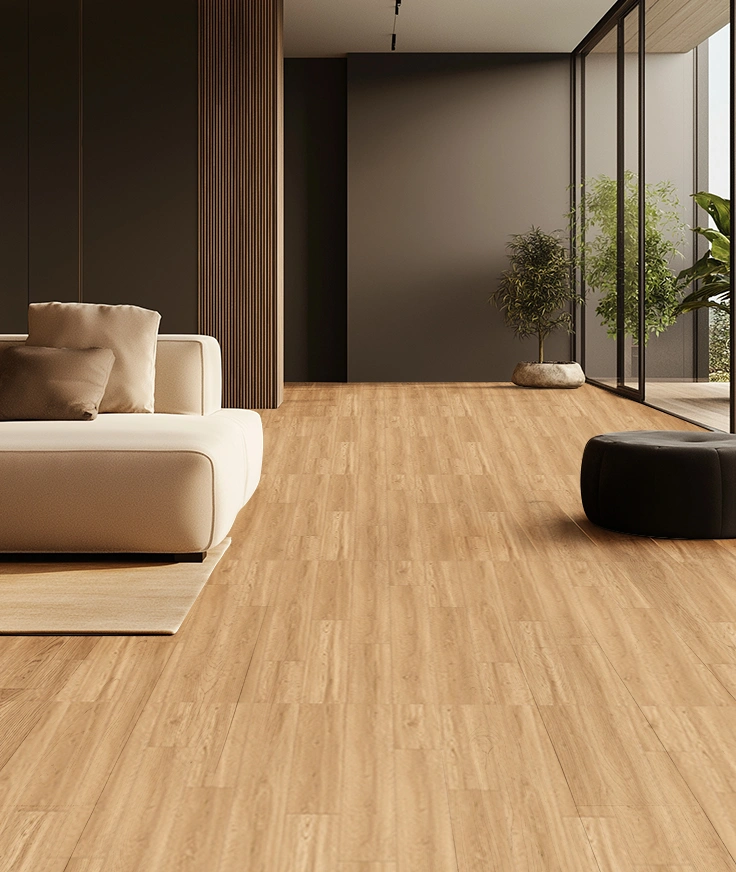
Monsoon-Proof Flooring: Why SPC Flooring is the Ultimate Choice for Humid Climates

India’s monsoon season offers respite from the summer heat, but it also brings a common household problem: excess moisture. Your flooring is vulnerable to damp floors, wet footwear, humidity, accidental spills and poor ventilation. In cities such as Mumbai, Pune, Bengaluru, Kochi and Kolkata, where humid weather can last for weeks, it is even more important to select the right flooring material.
SPC Floors provides the best possible solution to homeowners looking for resilient SPC flooring India. Its rigid construction and moisture resistance and easy maintenance make it a strong choice for homes exposed to humid and rainy conditions.
But why is it that the SPC is right for the monsoon? Let’s see its benefits and best ways to maintain it.
What Is SPC Flooring?
SPC stands for Stone Plastic Composite. It’s built as a rigid core flooring, typically made from limestone powder, PVC, and stabilizers pressed into a dense, waterproof board.
Traditional laminate relies on a wood-fibre core, which means it soaks up water the way any wood product would. SPC skips that problem entirely, since its core is essentially stone and plastic with nothing organic for moisture to latch onto.
Here’s a simple way to picture it: laminate is a sponge dressed up to look nice. SPC is waterproof through and through, with no soaking involved.
Why SPC Flooring Handles Indian Monsoons So Well
1. It’s Waterproof, Not Just Water-Resistant
This distinction matters more than most people realize. When a brand says “water-resistant”, that usually means it can survive a splash, not standing water for hours.
SPC flooring is built differently. Its stone-plastic core simply doesn’t absorb moisture. Even during a flood scare in Chennai or Kolkata, with water sitting on the surface for hours, the flooring underneath stays exactly as it was.
That’s what makes it one of the genuinely reliable picks when you’re searching for waterproof flooring for monsoon conditions.
2. It’s Humidity Resistance
The humidity of India is not limited to the monsoon season. The cities of Mumbai, Kochi, and Chennai maintain their humidity through most of the year.
SPC flooring humidity resistance is due to its dense core, which does not swell or contract like wood. No problems of warped floors, gaps between planks, or doors closing improperly.
3. Termite-Proof by Design
Termites are a genuine worry for a lot of Indian households, particularly in ground-floor flats or homes surrounded by gardens and greenery.
SPC flooring has no wood fibre in it, so there’s simply nothing for termites to feed on. For anyone comparing termite proof flooring options, this ranks among the more dependable choices out there.
4. It Helps Prevent Mold
Mold loves damp, poorly ventilated corners, and flooring seams are a favourite hiding spot. SPC boards click together with tight, waterproof joints, so moisture has nowhere to settle between planks and start breeding mold.
If you’ve been searching for how to prevent floor mold in rainy season, your choice of flooring plays a bigger role than most people assume. SPC takes one of the biggest mold triggers out of the equation from the start.
Where SPC Flooring Works Best in Indian Homes
SPC isn’t a one-room solution. It performs reliably across:
- Kitchens and spill-prone utility areas
- Bathrooms and spaces near balconies
- Ground-floor homes with more moisture exposure
- Coastal apartments in Mumbai, Goa, Kochi, Chennai
- Rental homes needing low upkeep
- Households with pets or small children
Practical Benefits Beyond Monsoon Protection
Monsoon resilience gets all the attention, but SPC flooring earns its keep in other ways too.
Durability: The rigid core shrugs off dents from furniture and daily footfall far better than regular vinyl manages.
Easy installation: Most SPC comes with a click-lock system, which means quicker fitting and a lot less mess than older flooring types.
Low maintenance: Regular sweeping and the occasional mop are genuinely all it needs. No polishing rounds, no sealing, no yearly touch-ups.
Comfort underfoot: Many boards ship with built-in underlayment, giving a slightly softer feel compared to standard cold tile.
Value over Time: Though the upfront cost is mostly between ₹120 to ₹250 per sq. ft., depending upon the design and thickness, the value you get by avoiding expenses on maintenance and replacement is quite significant.
Common Mistakes to Avoid When Choosing SPC Flooring
The quality of even a great product such as SPC might suffer significantly due to negligence of some fundamentals.
- Ignoring floor preparation: Uneven subfloor often results in the clicking sound or cracks in the future.
- Selecting the cheapest and the thinnest panels: Boards that are less than 4 mm usually seem fragile and wear out quickly under constant pressure at home.
- Ignoring the thickness of the wear layer: The thickness of the wear layer, which is higher than 0.3 mm works much better under scratches and usage.
- Ignoring expansion gaps: SPC requires gaps near walls too because of temperature changes.
- Purchase from uncertified dealers: As the interest in the SPC flooring in India increased, many poor-quality products appeared on the market.
Frequently Asked Questions
Is SPC flooring really 100% waterproof?
Yes. Its stone-plastic composite core doesn’t absorb water at all, which makes it suitable even in spots that see standing water, something laminate or engineered wood simply can’t handle.
Is SPC flooring good for Indian weather conditions?
Definitely. Its resistance to humidity, temperature shifts, and moisture makes it a strong match for India’s range of climates, from coastal dampness to dry heat.
How long does SPC flooring last?
With correct installation, SPC flooring generally lasts anywhere from 15 to 25 years, depending on how much foot traffic it handles.
Can SPC flooring be installed in bathrooms?
Yes, its waterproof core makes it one of the safer bets for bathrooms and utility spaces, though proper edge sealing is still worth doing.
Is SPC flooring more expensive than tiles?
Usually not. SPC tends to cost less than premium tiles or natural stone, while also installing faster and feeling more comfortable underfoot.
Final Thoughts
Monsoons don’t have to be an annual flooring problem. In SPC flooring India, homeowners can count on a durable, cost-effective solution that resists moisture, repels termites, prevents mould from growing, and requires no maintenance.
Ready to renovate or tired of fixing your monsoon flooring problems every year? It could well be the time to think about SPC floors that suit your requirements.
Are you on the hunt for SPC floors which will suit your requirements? We at Madeleine Floors offer various flooring options that have resistance to the Indian climate.