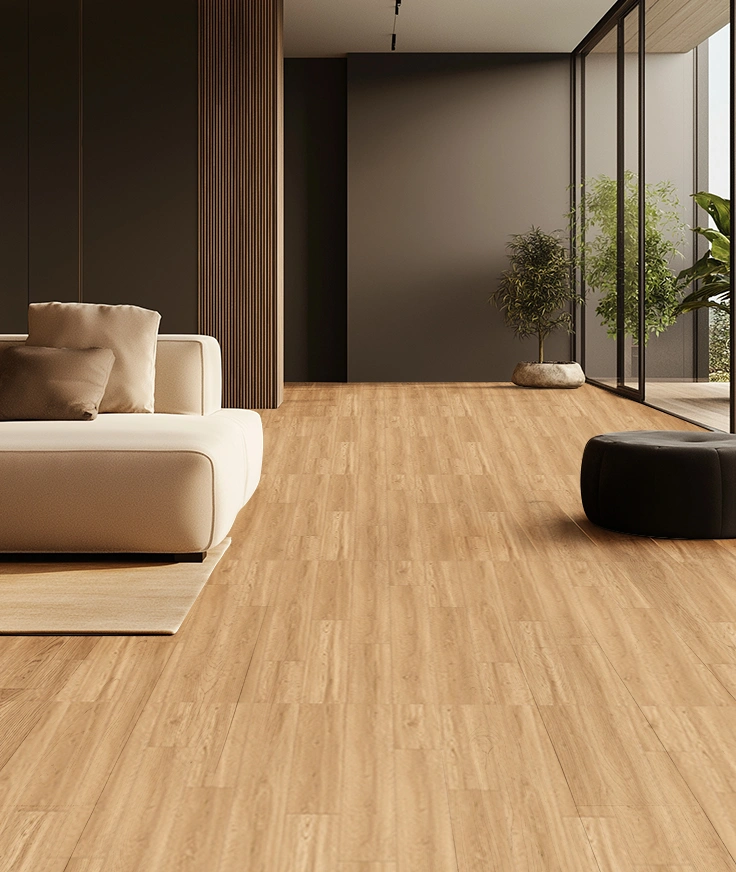
Hidden Costs to Consider Before Buying Vinyl Flooring in India

The price tag on a flooring sample often tells only half the story. At first glance, vinyl flooring India looks budget-friendly. It’s got the stylish finish, it’s water-resistant, and it’s quick to install. No wonder so many homeowners in India put it at the top of their list when renovating their space.
But before you lock in your choice, the price you see on the sample is rarely the price you end up paying. Behind that affordable tag, there are extra hidden costs that can quietly increase your final budget.
Vinyl flooring is the best investment if you’re aware of all these costs. You just need to know what actually drives up the total cost, beyond what you pay per square foot.
If you’re comparing options or speaking with vinyl floor suppliers, a little homework will help you ask better questions before you buy.
The Base Vinyl Flooring Price Is Only the Starting Point
Most people start by looking at the basic price. In India, here’s what you usually see:
- Vinyl sheets: approximately ₹30–₹70 per sq. ft.
- Vinyl tiles: around ₹50–₹90 per sq. ft.
- Vinyl planks: around ₹70–₹130 per sq. ft.
- Luxury vinyl tile/plank: ₹100–₹200+ per sq. ft. and above
It all seems pretty clear until you realize that material cost is just one part of the total project cost. There’s more to the story.
1. Surface Preparation Can Add More Than Expected
Vinyl flooring only works well on a clean, smooth, and level subfloor. That extra preparation work? Many Indian residents overlook it.
If your current floor has cracks, bumps, loose tiles, damp patches, or leftover adhesive stuck on, you can’t just slap down vinyl and call it a day. In older Indian apartments, especially, the surface below is often anything but perfect. Because vinyl is softer than stone or ceramic, any flaws underneath show through over time and even damage the top surface.
A good installer or experienced vinyl floor supplier usually checks the site before quoting you a final price. Still, don’t be surprised if fixing the subfloor adds a chunk to your budget.
2. Underlayment or Backing Layer May Be Extra
Some vinyl products include attached foam or acoustic backing. Others don’t, and adding that layer costs extra. You might need it for:
– Soundproofing (really important in flats)
– Better comfort
– Fixing small subfloor issues
– Stopping moisture from coming up
If you’re doing an upper-storey room or a space where footsteps echo, underlayment makes a huge difference, and it also drives up the price.
3. Installation Method Changes the Final Cost
People often get tripped up here. Different types of vinyl use different installation methods, and the price can swing by quite a bit.
The main types are:
– Glue-down vinyl (messier, more work)
– Peel-and-stick (DIY-friendly, not always durable)
– Loose lay (quick install, but only in smaller rooms)
– Click-lock planks (the quickest, but pricier per square foot)
Adhesives, labor, and the skill needed to cut around corners and furniture; these all matter. Large vinyl sheets can look cheap at first, but fitting them properly, especially in rooms with lots of nooks or weird angles, takes real expertise.
If you are speaking with vinyl floor suppliers, ask whether the quote includes:
– Adhesive
– All labor
– Wastage from cutting
– Edging and finishing touches
– Furniture shifting
Many times, they’re not included, and that’s where the budget starts to slip.
So if you’re thinking about vinyl flooring, don’t just look at the sticker price. Dig deeper, ask about these extras, and you’ll avoid surprises later.
4. Wastage and Extra Material Are Rarely Included in Budget Calculations
No one uses just the exact amount of vinyl flooring that matches the room’s size.
You always need extra material for:
- Edge cutting
- Pattern matching
- Room shape adjustments
- Future repairs
Most professionals recommend ordering at least 5–10% more material than your actual room needs, and if you’re working with planks or tiles, it’s even more important.
That extra bit? It can increase the total project cost more than expected, especially in designer patterns or premium finishes.
5. Lower Wear Layer Can Cost More in the Long Run
Here’s a hidden cost that catches people off guard. Two vinyl flooring products can look the same when you see them in a store, but their technical performance can be very different.
The wear layer is that shield that keeps away scratches, stains, and damage from all that daily walking around. Go for a thin wear layer to save money at first, and it won’t last long in busy spaces like living rooms, hallways, or offices.
When your floor wears out sooner than you expected, that’s when the real cost hits while “replacing it”. It’s always smart to compare the wear layer thickness before making your choice.
6. Sunlight, Furniture, and Usage Can Affect Maintenance Cost
Vinyl floors are low-maintenance, sure, but it still needs correct use.
Over the years, you’ll likely spend a bit on:
- Felt pads for furniture legs
- Some curtains or blinds to block the harsh sun
- Few replacement planks or tiles for damaged sections
- Gentle floor cleaners suitable for vinyl floors
Dragging heavy sofas or using strong chemicals can wear down your floor faster than you think. None of these are big expenses individually; they just stack up over time.
7. Cheap Product Can Mean Higher Replacement Risk
There’s no shortage of budget vinyl flooring out there, online and in stores. They might look appealing at first, but they perform poorly after installation.
The problems show up over time:
- Edges lifting
- Fading
- Curling at the corners
- Denting
- Weak click-lock joints
That’s why picking vinyl floor suppliers matters as much as picking the look you want. A lower initial quote can become expensive if the floor fails early or needs partial replacement.
8. Warranty and After-Sales Support
Flooring isn’t just about how great it looks on day one. It’s about how well it holds up after it performs after one year, three years, or five years. Always look:
- Product warranty duration
- Wear layer warranty
- Installation support
- Availability of matching replacement stock
These things really matter, especially for family homes, rentals, and businesses where you want the floor looking good for years.
Final Thoughts
Vinyl flooring makes sense for Indian homes due to its durability and functionality features. It is tough against water, easy to keep clean, and you get endless choices (from rustic wood to sleek stone looks).
The best decisions always come when you look at more than the initial cost of the vinyl. Consider preparation, installation, quality, and long-term durability as they all play a part in the real cost. That’s why choosing both the right product and the right supplier matters.
If we talk about vinyl floor suppliers, Madeleine Floors helps you see beyond the samples and pick flooring you’ll feel good about for years.
See our options for vinyl flooring and find something that brings both style and substance to your space. Make the smart choice now, and you won’t have to worry about your floors tomorrow.