How to Clean and Maintain Premium SPC Flooring: The Ultimate Post-Installation Guide
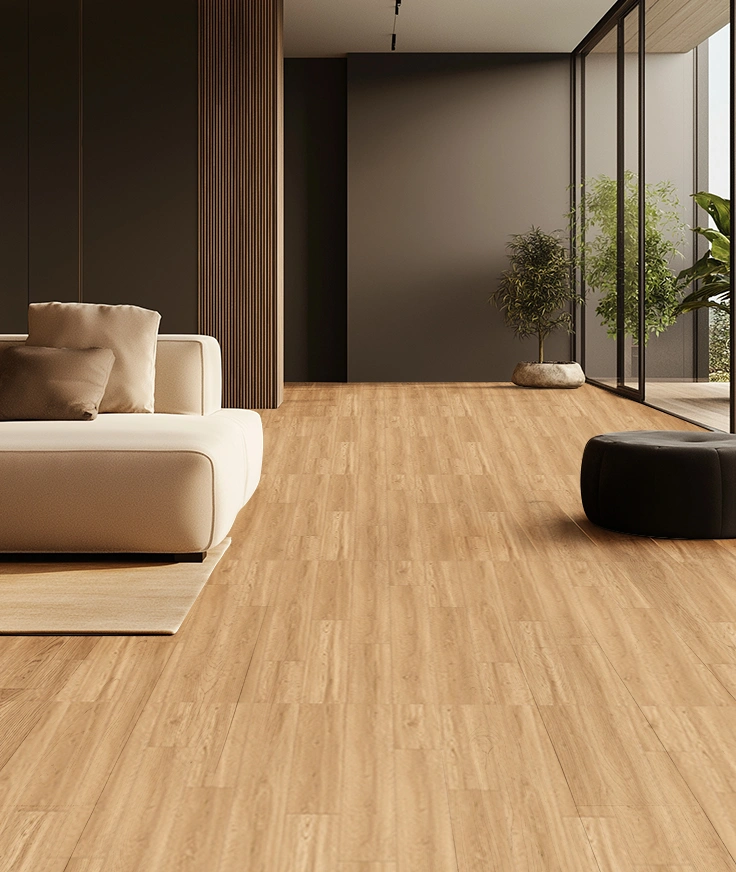
If you’ve just had premium SPC wooden flooring installed, you already know why it’s such a popular choice right now, as it looks like real wood, feels solid underfoot, and doesn’t demand much care that natural timber does.
But “low-maintenance” doesn’t mean “zero effort”. A few small habits early on decide whether your floor still looks new five years from now or starts showing dull patches and scratches.
This guide covers exactly how to clean SPC flooring, the mistakes to avoid, and simple routines that work for real Indian homes, whether you’re in a Mumbai flat, a Bengaluru apartment, or a bungalow in Ahmedabad.
Why Proper SPC Floor Maintenance Matters
SPC flooring is genuinely tough. But dust, grit, and everyday spills still take a toll if you ignore them for too long.
A little regular care goes a long way:
- Fewer scratches
- No stubborn stains
- Finish stays glossy
- Joints stay protected
- Floor lasts longer
None of this requires fancy tools or expensive products, just consistency.
How to Clean SPC Flooring the Right Way
Most Indian homes do fine with a simple three-step routine.
1. Clear Out Dust and Grit First
Sweep or vacuum before anything else. A soft-bristle broom or a hard-floor vacuum setting works best.
Focus on entryways, kitchens, and balconies; dust and sand travel in fast during summer and monsoon season, and grit is what actually scratches the surface over time.
Skip vacuum attachments with hard or worn-out wheels; they can leave marks too.
2. Mop Damp, Never Soaking Wet
Once the loose dirt is gone, go over the floor with a lightly damp mop. SPC handles moisture well, but pooling water isn’t something you want to make a habit of.
A microfibre mop is usually the easiest option; it lifts fine dust without scratching anything.
For a deeper clean, use a mild, pH-neutral cleaner made for vinyl or SPC surfaces, and stick to what the flooring brand actually recommends.
3. Dry Off Any Leftover Moisture
After mopping, check that no water is sitting near skirting boards or joints.
This matters most in kitchens, bathrooms, and spots near balcony doors. Spills are always easier to deal with the moment they happen, not an hour later.
Choosing the Best Mop for SPC Floors
Picking the best mop for SPC floors honestly makes more difference than people expect.
Good options:
- Flat microfibre mop
- Spray mop
- Soft cloth mop
Avoid:
- Steel-wool pads
- Hard-bristle brushes
- Abrasive scrub pads
- Dripping string mops
You don’t need anything fancy here. A decent microfibre mop paired with a soft broom covers 90% of what your floor will ever need.
How to Remove Stains from SPC Flooring
Spills happen: chai, turmeric, crayon marks, and the occasional oil splash near the stove. The trick to how to remove stains from SPC flooring is speed. Fresh stains come off easily; dried ones take a bit more work.
Tea, coffee, or juice: Wipe right away with a damp microfibre cloth, adding a little mild cleaner if needed.
Food or grease: Scrape off any solid residue first, then wipe with a diluted, non-abrasive cleaner.
Mud: Let it dry a bit, remove the loose bits gently, then mop as usual.
Scuff or shoe marks: A soft, damp cloth usually does the trick. Press gently; don’t scrub hard.
Always test a new cleaning product on a hidden corner first. A “stronger” chemical doesn’t clean better; it just risks damaging the finish.
Can You Steam Mop SPC Floors?
This is probably the question we hear most often, so let’s clear it up: can you steam mop SPC floors?
The honest answer is only if your specific flooring brand says it’s safe. Not all SPC products are built the same way.
Steam mops combine heat and moisture, and that combination can eventually:
- Loosen seam adhesive
- Warp edges slightly
- Wear down the top layer
Even though SPC resists water well, it isn’t necessarily built for repeated heat exposure. Unless your manufacturer clearly approves it, a damp microfibre mop is the safer everyday choice.
An Easy SPC Floor Maintenance Guide for Indian Homes
Little and often beats occasional deep cleaning. Here’s a simple SPC floor maintenance guide you can actually stick to.
Daily
- Sweep busy areas
- Wipe spills fast
- Clear entryway grit
- Use doormats
Weekly
- Vacuum the full floor
- Damp mop with cleaner
- Check under furniture
Monthly
- Inspect for scratches
- Clean tight corners
- Check furniture pads
Homes in dustier cities like Delhi or Jaipur may need slightly more frequent sweeping; airborne dust builds up faster there than in most other regions.
Protecting Premium SPC Wooden Flooring from Damage
Cleaning is half the job. The other half is just being a little mindful day to day.
- Use felt pads under furniture
- Lift furniture instead of dragging
- Keep doormats at entrances
- Trim pet nails regularly
- Limit direct sunlight with curtains
That last one surprises people, but constant sun through a balcony door can fade colour in that one patch over time if it’s never shaded.
Common Mistakes to Avoid
- Too much water while mopping – pools near joints and edges
- Bleach or harsh chemicals – strips the finish gradually
- Scrubbing hard at stains – be gentle, not aggressive
- Dragging heavy furniture – leaves visible scuff trails
- Ignoring small spills – they’re far easier to clean fresh
Most floor damage isn’t one big accident. It’s small habits, repeated for months, that eventually add up.
FAQs
1. How often should I clean SPC flooring?
Sweep daily if possible, and damp mop at least once a week, or more often in high-traffic areas.
2. What’s the best mop for SPC floors?
A soft microfibre flat mop, since it cleans well without soaking the surface.
3. How do I remove stains from SPC flooring?
Clean spills as soon as you spot them using a soft cloth and a mild, SPC-safe cleaner. Skip anything abrasive.
4. Can you steam mop SPC floors?
Only if your flooring manufacturer confirms it’s safe for that specific product. Otherwise, a damp mop is the better bet.
5. Is premium SPC wooden flooring hard to maintain?
Not really. Regular sweeping, gentle damp mopping, and quick spill cleanup are usually all it needs.
Conclusion
The maintenance of premium SPC wooden flooring does not necessarily involve the use of advanced cleaners or long periods of maintenance cleaning. The proper dusting, appropriate microfibre mop, and stain treatment can make it look appealing and functional.
The first rule that should be followed is the following: apply only gentle cleaning methods with minimum amounts of water and aggressive chemicals.
If you have decided to create a new flooring solution or want to receive advice regarding the selection of SPC flooring, you can check out the flooring options presented by Madeleine Floors.