Beginner’s Guide to Vinyl Flooring Types, Thickness & Installation
Vinyl floors have come to be one of the best choices when it comes to flooring material in homes, offices, shops, and even other commercial areas. The reason being that they have great looks, durability, and ease of maintenance.
When renovating your home or planning the interior of any commercial area, you should have knowledge about the types of vinyl floorings, the thickness, and how they can be installed.
This beginner-friendly guide covers everything from types, thickness, and installation before you decide on vinyl flooring.
Beginner’s Guide to Vinyl Flooring Types, Thickness & Installation
If you’ve ever walked into a beautifully renovated home and wondered what’s underfoot, chances are it’s vinyl flooring. It’s become the go-to choice for homes, offices, and commercial spaces because it just works: good looks, solid performance, and a price tag that doesn’t hurt.
This guide walks you through everything you actually need to know before buying.
What is vinyl flooring?
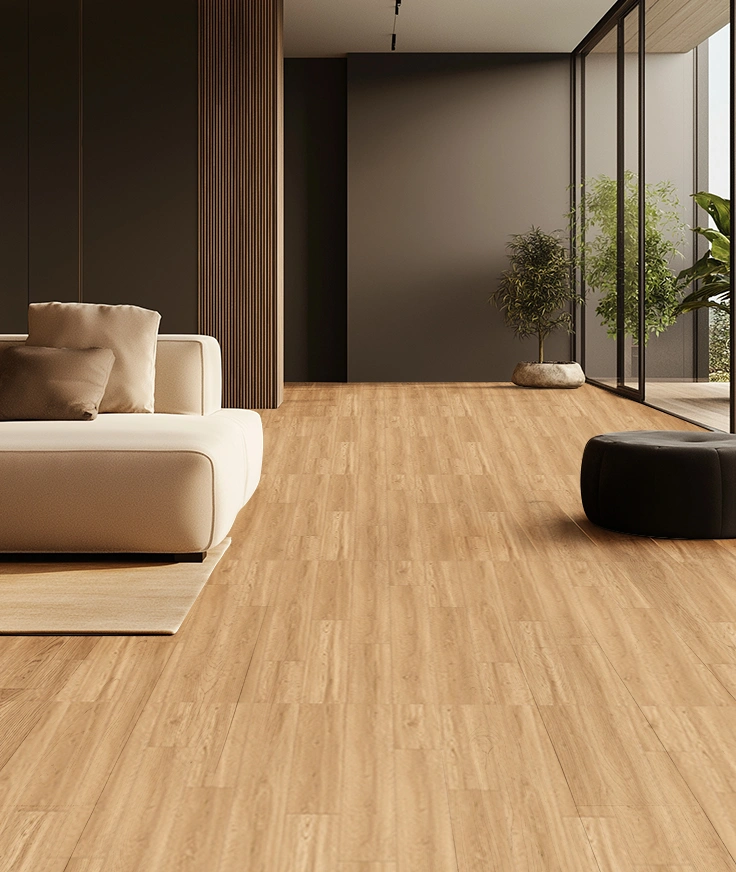
Vinyl flooring is an artificial synthetic material comprising mostly made up of PVC. The flooring product has been designed to emulate the look of wood, marble, stones, or tiles without the hassles of cleaning and maintaining them.
Advantages of Vinyl Flooring
- Durable in water
- Designed to be long-lasting
- Quickly wipe clean rather than taking hours
- Always comfortable to walk on
- Available in numerous designs
- Less expensive than natural materials
- Can be used at homes or office
Modern luxury vinyl tile flooring companies have been taking real life simulation to a whole new level.
Types of Vinyl Flooring
Picking the right type makes all the difference.
- Luxury Vinyl Tile (LVT)
- Replicates stone and ceramic looks
- Features durable surface layer
- Resists moisture on daily basis
- Enables replacement of individual tiles
- Well suited for humid environments
The majority of leading LVT floor manufacturers apply advanced printing technology to create realistic look of LVT floors.
Good for: residential, office, hotel, clinic
- Luxury Vinyl Plank (LVP)
- Replicates the look of genuine wood
- Hundreds of finish options available
- Scratch-resistant and stain-resistant
- Requiring much less maintenance
Good for: living rooms, bedrooms, offices
- Sheet Vinyl Flooring
- Available in large continuous rolls
- Has very few seams.
- Well tolerated by moisture
- Always remains economical
Good for: Kitchens, laundries, bathrooms.
- Rigid Vinyl Flooring
- Solid Core Construction
- Can take a lot of traffic daily
- Resistance to temperature change
- Felt comfortable
Good for: schools, retail outlets, busy homes
What is the thickness of vinyl flooring?
When selecting vinyl flooring, one of the most important factors is thickness.
For many buyers, the thicker the flooring, the better. Thickness is simply the total depth of plank, measured in millimeters.
Typical options run from 2mm all the way to 8mm+.
2mm–3mm Vinyl Flooring
- Easiest on the wallet
- Fine for low-traffic spaces
- Goes in quickly and simply
Best for: rentals, temporary setups, guest rooms
4mm–5mm Vinyl Flooring
- Holds up noticeably longer
- Feels softer when walking
- Cuts down on noise
Best for: bedrooms, living rooms, small offices
6mm–8mm Vinyl Flooring
- Takes on heavy impact easily
- Handles constant foot traffic
- Offers better sound absorption
Best for: hotels, retail spaces, busy households
Many serious luxury vinyl tile flooring manufacturers focus their premium lines right in this thicker range.
Importance of the Wear Layer
The wear layer is the clear top coating protecting your floor from scratches, scuffs, and everyday damage.
- 6 mil → fine for light home use
- 12 mil → good for standard household traffic
- 20 mil → built for heavy home use
- 28 mil+ → made for commercial environments
A thicker wear layer almost always means a longer-lasting floor.
Vinyl Flooring Installation Methods
Installation depends entirely on the product you choose.
- Glue-Down Installation
- Direct surface glued
- builds a strong bond
- Perfect for high traffic areas
Best for: offices, retail stores, high traffic areas
- Click-Lock Installation
- Also known as floating technique
- Tiles click together easily
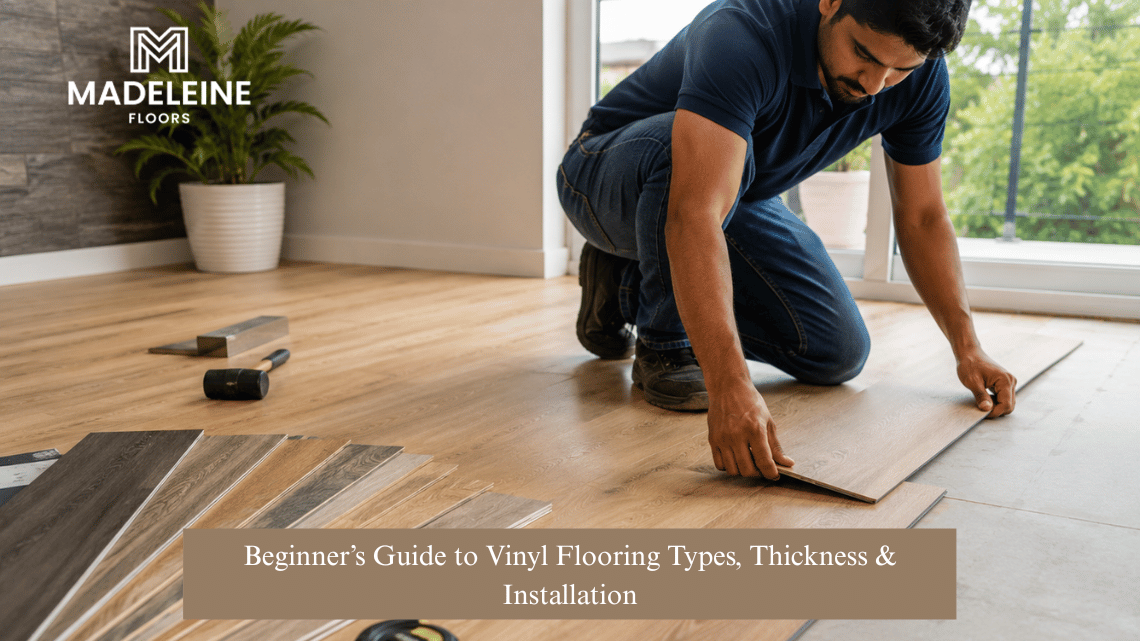
- Easy to do yourself
- Minimal chaos
Best for: apartments, homes, renovations.
- Loose Lay Installation
- Stays put through weight and friction
- Goes down remarkably fast
- Comes up just as easily
Ideal for: temporary spaces, commercial updates
Preparing the Subfloor Before Installation
Skipping this step is a costly mistake.
- Clean out dust and debris
- Fix cracks and depressions
- Ensure that the floor is dry
- Inspect for any excess moisture
- Install underlayment if necessary
Having the right subfloor preparation will ensure that your floors look good and last long.
How to Choose the Right Vinyl Flooring
Quick questions to ask yourself:
- How much foot traffic does this room get?
- Is the space prone to moisture?
- Do you prefer a wood or stone look?
- What’s your realistic budget?
- Are you buying from trusted manufacturers?
Sticking with respected luxury vinyl tile flooring manufacturers means fewer surprises and better long-term performance.
Maintenance Tips for Vinyl Flooring
Good news — vinyl is genuinely low-effort to maintain.
- Sweep on a regular basis
- Mop with a damp cloth
- Wipe up spills immediately
- Skip harsh cleaning chemicals
- Add furniture pads underneath
A little routine care goes a long way here.
Why Vinyl Flooring Keeps Growing in Popularity
Homeowners and designers keep coming back to vinyl because it blends style with practicality. Today’s leading luxury vinyl tile flooring manufacturers are delivering floors that look real, resist water, install easily, and hold up to everyday life.
From one room to the whole commercial area, vinyl is one of the best flooring choices you can ever make.
Final Thoughts
Vinyl flooring is the perfect combination of strength, beauty, and value, rarely rivaled by any other material. Once you learn about the variety of types, thicknesses, and install techniques available, making your decision will be much easier.
When you buy from reputable luxury vinyl tile flooring manufacturers, you are not just buying a floor; you are buying years of quality service.
FAQs
1. What is the difference between LVT and LVP flooring?
LVT (Luxury Vinyl Tile) flooring replicates the flooring that resembles stones or ceramic, and the LVP (Luxury Vinyl Plank) flooring creates a look like natural hardwood floors.
2. Which thickness is best for vinyl flooring?
For most homes, 4mm to 6mm flooring provides a good balance of comfort, durability, and value.
3. Is vinyl flooring waterproof?
Yes, most of the vinyl flooring is waterproof and therefore is ideal for installation in the kitchen, bathroom, and laundry areas.
4. Can vinyl flooring be installed on existing flooring?
Yes, but the current floor surface must be clean and even and smooth.
5. How long does luxury vinyl flooring last?
Good quality luxury vinyl tile flooring can have a lifespan of 15-25 years or even more.
6. Is it possible to install vinyl flooring in a commercial building?
Yes, the vinyl floor in a commercial setting is very strong and durable.